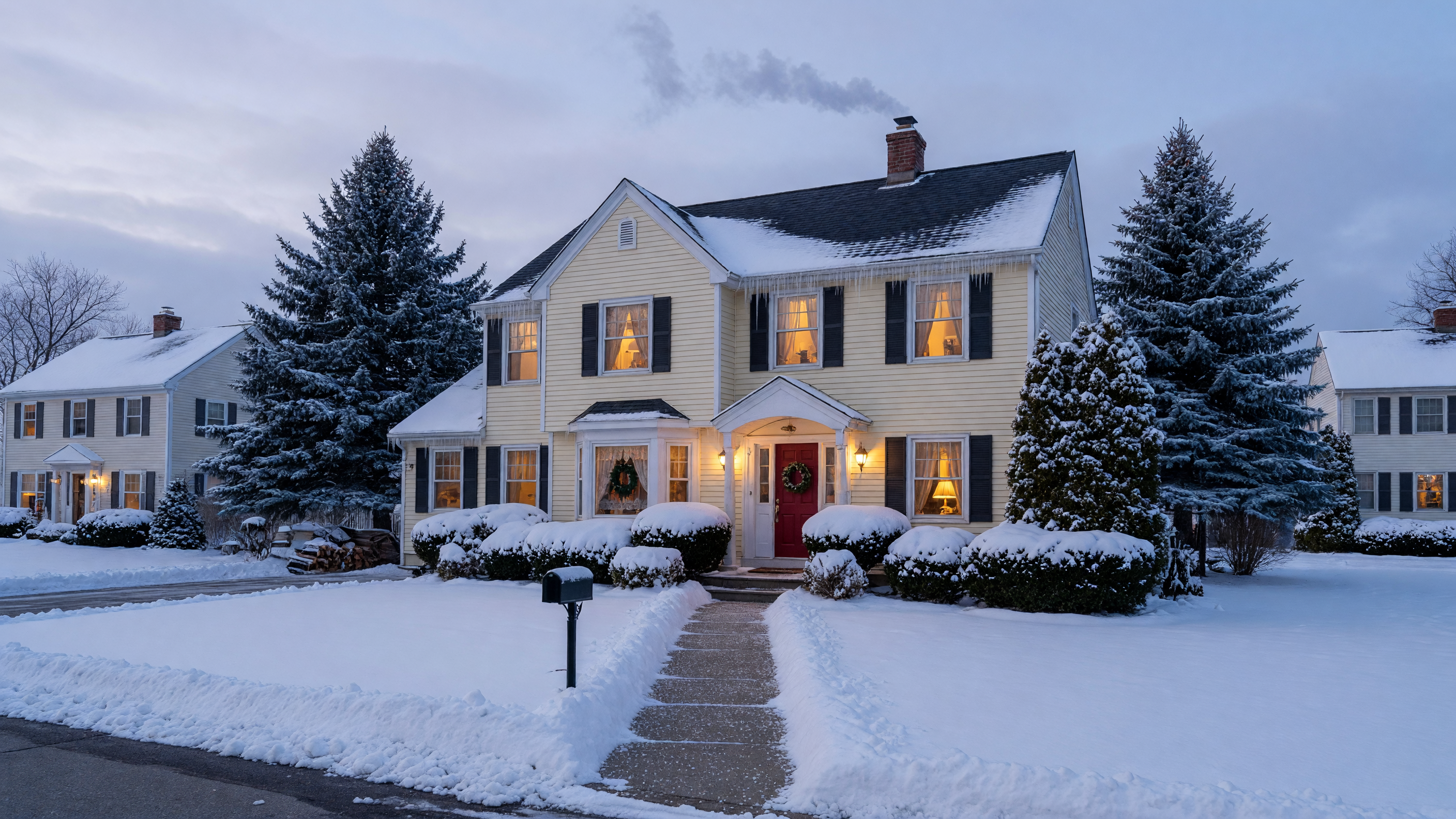

Michigan winters are no joke. With average low temperatures dropping into the teens and single digits across Genesee County, Oakland County, and Livingston County, your home endures months of freezing temperatures, heavy snow, ice storms, and dramatic freeze-thaw cycles that can cause thousands of dollars in damage if you're not prepared.
After 20+ years of helping homeowners across Mid-Michigan, I've seen firsthand how a few hours of preventive maintenance each fall can prevent catastrophic repairs in January. This winter home maintenance checklist covers everything you need to know to protect your home, reduce energy bills, and keep your family safe and comfortable through Michigan's coldest months. For warmer-weather maintenance, also see our summer home maintenance checklist and our complete seasonal homeowner calendar.
When to complete this checklist: Most tasks should be completed in October and November, before the first hard freeze. Several items are worth checking monthly throughout the winter season.
1. Exterior Winterization: Your First Line of Defense
Your home's exterior is what takes the brunt of Michigan weather — driving rain, accumulating snow, wind, and relentless freeze-thaw cycles that exploit every crack and gap. A thorough exterior inspection in early fall is the single most impactful thing you can do to prepare for winter.
Roof Inspection
Your roof is your home's primary shield against winter weather. Before the first snowfall, inspect it carefully — either from the ground with binoculars or by hiring a licensed roofing professional. Michigan's average annual snowfall ranges from 40 to 60 inches depending on your location, and a compromised roof can lead to leaks, ice dams, and structural damage.
What to look for:
- Missing, cracked, or curling shingles — Even small gaps let water and ice penetrate the roof deck. Replace damaged shingles before winter sets in.
- Flashing around chimneys, vents, and skylights — Deteriorated flashing is one of the most common sources of winter leaks. Seal any gaps with roofing cement or replace damaged flashing strips.
- Valley conditions — Where two roof planes meet, debris accumulates and water channels. Make sure valleys are clear and properly sealed.
- Attic ventilation and insulation — Proper attic ventilation prevents the warm air from your living space from melting snow on the roof (the primary cause of ice dams). Michigan building code recommends R-49 attic insulation for our climate zone.
Gutter Cleaning and Repair
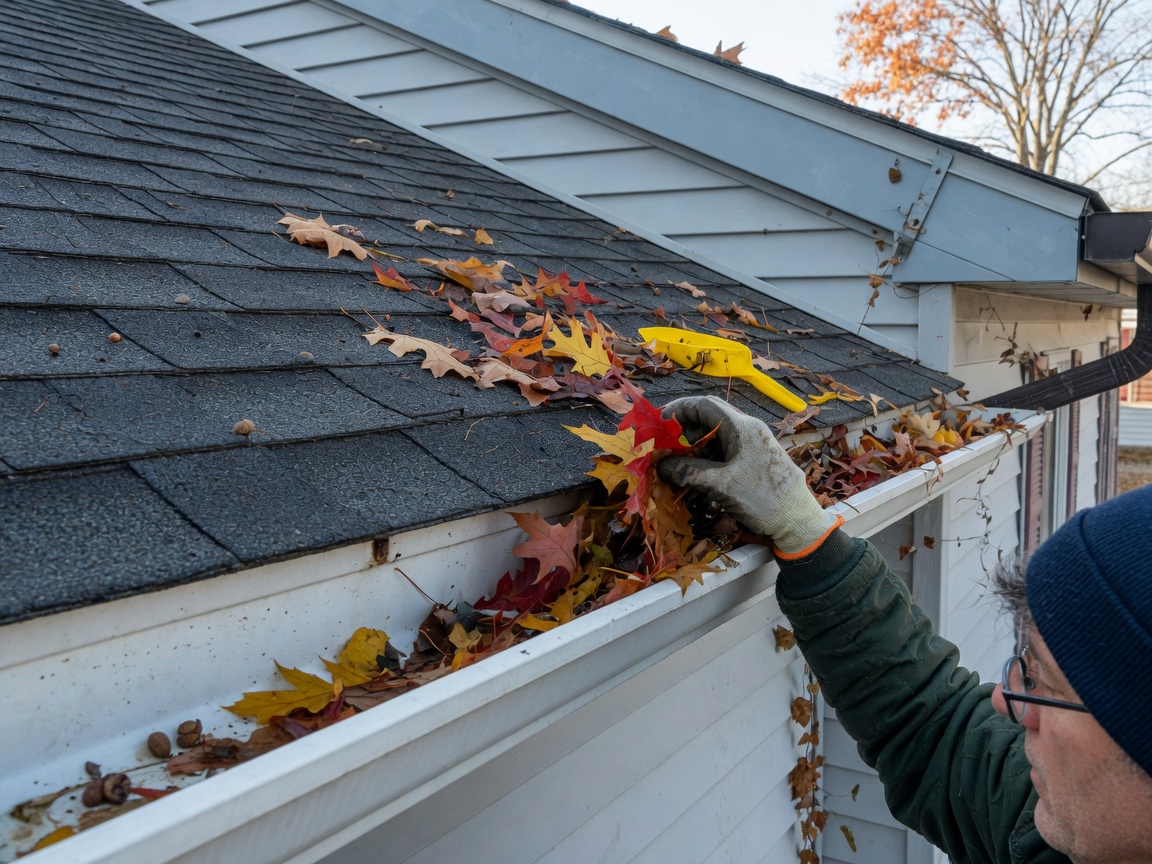
Clean gutters are essential for preventing ice dams and protecting your foundation. After the leaves have fallen — typically late October or early November in Mid-Michigan — clear all debris from gutters and downspouts.
- Flush gutters with a garden hose to verify water flows freely to downspouts.
- Check gutter slope — Gutters should slope toward downspouts at roughly ¼ inch per 10 feet. Sagging gutters trap water that freezes and damages the gutter system.
- Secure loose brackets and seams — Weight from ice and snow can pull loose gutters away from the fascia.
- Extend downspouts at least 4–6 feet from the foundation to direct meltwater away from your home's base.
Weatherstripping and Caulking
Air leaks around windows, doors, and where different building materials meet can account for 25–30% of a home's heating energy loss, according to the U.S. Department of Energy. In Michigan, where heating season runs five to six months, that adds up quickly.
Walk the perimeter of your home and check:
- Door weatherstripping — Close a door on a dollar bill. If you can pull it out easily, the weatherstripping needs replacing. Foam, felt, and rubber options all work; for exterior doors, V-strip or tubular rubber provides the best long-term seal.
- Window caulking — Inspect the caulk line where window frames meet siding. Cracked or peeling caulk lets cold air and moisture penetrate. Remove old caulk with a putty knife and apply a fresh bead of exterior-grade silicone or polyurethane caulk.
- Sill plate and rim joist sealing — The joint where your foundation meets the framing is a major air leak point. Use expanding foam sealant or caulk to close gaps in the basement or crawl space.
- Utility penetrations — Seal gaps around pipes, wires, and cables that pass through exterior walls with caulk or expanding foam.
2. Furnace and Heating System Preparation
Your furnace is the heart of your home's winter survival system. A breakdown during a Michigan cold snap — when temperatures can plunge well below zero — isn't just uncomfortable; it can be dangerous. Schedule professional furnace maintenance in early October, well before the first cold snap drives everyone else to do the same.
- Schedule a professional tune-up — A certified HVAC technician will inspect the heat exchanger (checking for cracks that can leak carbon monoxide), test the thermostat, clean the burners, check gas connections, and verify proper airflow. Cost: $100–$200. This is non-negotiable for gas furnaces.
- Replace the air filter — A clogged filter reduces efficiency by up to 15% and puts extra strain on the system. Check monthly during winter and replace every 1–3 months depending on filter type and household conditions.
- Test your thermostat — Switch to heat mode and verify the system kicks on at the expected temperature. Consider upgrading to a programmable or smart thermostat (like a Nest or Ecobee) if you're still using a manual unit. A smart thermostat can save 10–15% on heating bills by automatically adjusting when you're asleep or away.
- Inspect ductwork — Look for disconnected sections, visible holes, or damaged insulation on exposed ductwork in your basement or attic. Leaky ducts can waste 20–30% of heated air before it reaches your living space. Seal joints with mastic sealant or metal-backed tape (not standard duct tape, which deteriorates quickly).
- Clear around the furnace — Maintain at least 3 feet of clearance around your furnace. Remove stored items, boxes, and combustible materials from the furnace area.
Carbon monoxide safety: Every level of your home should have a working CO detector. Michigan law requires CO detectors in homes with fuel-burning appliances or attached garages. Replace batteries annually and replace the entire unit every 5–7 years.
If your furnace is more than 15 years old, it's worth having an honest conversation with your HVAC technician about remaining useful life. A furnace operating at 80% efficiency when newer models reach 95–98% efficiency represents a significant ongoing energy cost. The average furnace lifespan in Michigan's demanding climate is 15–20 years with proper maintenance.
3. Pipe Insulation and Freeze Prevention
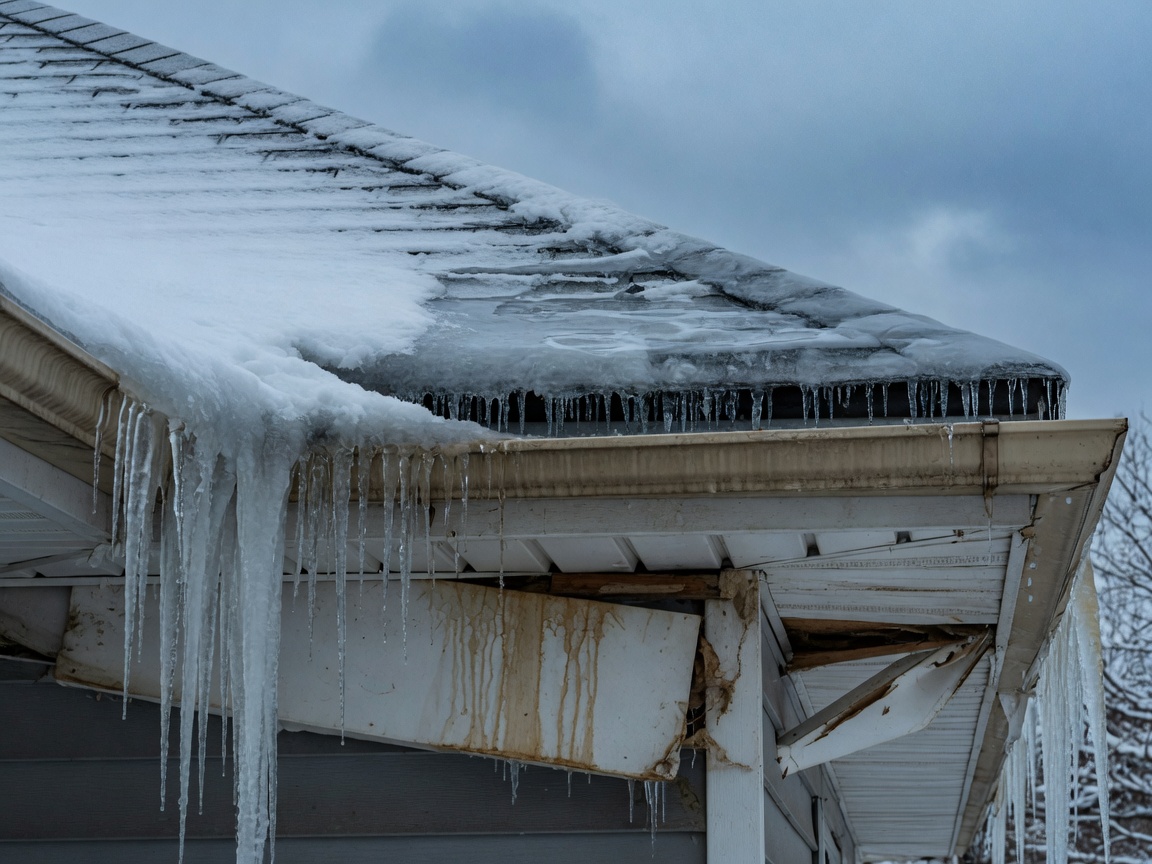
Frozen pipes are one of the most common and costly winter home emergencies in Michigan. When water freezes inside a pipe, it expands with tremendous force — enough to split copper, PVC, and even steel. The resulting water damage when the ice thaws can cost $5,000 to $70,000 or more depending on the scope. According to the Insurance Institute for Business and Home Safety, burst pipes cause an average of $15,000 in damage per incident.
Vulnerable Pipe Locations
Pipes at highest risk of freezing are those in unheated or poorly insulated areas:
- Exterior wall pipes — Supply lines running through exterior walls, especially on the north side of the home.
- Unheated basement and crawl space pipes — Particularly those near foundation walls or running along the rim joist.
- Attic and garage pipes — Any water lines running through unconditioned spaces.
- Outdoor hose bibs — Disconnect and drain garden hoses, then shut off interior supply valves and drain the line. If you don't have a shutoff valve, install a frost-free hose bib — a worthwhile $50–$100 upgrade.
Insulation Solutions
- Foam pipe insulation sleeves — The most cost-effective protection. Available at any hardware store in various diameters, they snap around pipes and provide R-4 or higher insulation. Cost: $1–$3 per 6-foot section.
- Heat cable (heat tape) — For particularly vulnerable pipes, self-regulating heat cable wraps around the pipe and activates when temperatures drop near freezing. Cost: $20–$50 per section. Follow manufacturer instructions carefully to avoid fire risk.
- Seal air leaks near pipes — Use caulk or expanding foam to seal cracks and gaps in walls near pipes, reducing cold air exposure.
Emergency Protocol
During extreme cold (below 0°F), let faucets on exterior walls drip slightly — moving water freezes more slowly than standing water. If you suspect a pipe has frozen, open the faucet and apply gentle heat (hair dryer, space heater, or warm towels) to the frozen section. Never use an open flame. If a pipe has burst, shut off the main water supply immediately and call a licensed plumber.
4. Chimney and Fireplace Maintenance
A wood-burning fireplace is a beloved feature in many Mid-Michigan homes, but an unmaintained chimney is a serious safety hazard. The National Fire Protection Association reports that failure to clean chimneys is the leading cause of home heating fires.
- Schedule a professional chimney sweep and inspection — Have your chimney cleaned and inspected annually by a Certified Chimney Sweep (CCS). They'll remove creosote buildup, check for cracks in the flue liner, inspect the chimney cap and crown, and identify any structural concerns. Cost: $150–$350 for a standard cleaning and Level 1 inspection.
- Check the chimney cap and spark arrestor — The cap keeps rain, snow, animals, and debris out of the flue. Make sure it's secure and the spark arrestor screen is intact.
- Test the damper — Open and close the damper to ensure it operates smoothly. A stuck damper lets cold air pour in when the fireplace isn't in use.
- Store firewood properly — Keep firewood at least 20 feet from the house and elevated off the ground to discourage insects and rodents from moving toward your home.
For gas fireplaces: Have the gas line, burner, and pilot light inspected. Clean the glass with fireplace glass cleaner (not standard glass cleaner). Check the exterior vent for obstructions. Gas fireplaces should be serviced annually to ensure proper combustion and prevent carbon monoxide risks.
5. Window and Door Insulation
Windows and doors are the weakest points in your home's thermal envelope. In Michigan, where winter temperatures regularly fall well below freezing, the difference between a well-sealed and a poorly sealed window can mean several degrees of temperature variation — and noticeable impact on your heating bill.
- Apply window insulation film — Shrink-film window kits create an insulating air pocket that reduces heat loss by up to 50% through single-pane windows. They're virtually invisible once applied and are an affordable solution for older homes. Cost: $3–$8 per window.
- Add or replace door sweeps — A properly fitted door sweep eliminates the gap at the bottom of exterior doors where cold air and snow drifts enter. Cost: $10–$25 per door.
- Check sliding door tracks — Clean and lubricate the track, and verify the weatherstripping creates a tight seal when the door is closed.
- Use draft stoppers — For doors and windows that still admit drafts after weatherstripping, a fabric draft stopper along the base provides an additional barrier.
- Consider cellular shades — If you're looking at a longer-term upgrade, honeycomb/cellular window shades provide significant insulation value and can reduce heat loss through windows by up to 40%.
6. Driveway and Walkway Safety
Michigan winters bring ice, snow, and the freeze-thaw cycles that crack concrete and asphalt. Driveway and walkway maintenance is about both safety (preventing slip-and-fall injuries) and protecting a significant investment in your property.
- Seal coat asphalt driveways — If you haven't sealed your asphalt driveway in the last 2–3 years, do it before the first freeze. Sealant prevents water from penetrating the surface and freezing, which causes potholes and cracking. Cost: $100–$300 for DIY materials.
- Repair concrete cracks — Fill cracks wider than ⅛ inch with concrete patching compound. Water that seeps into cracks and freezes expands, turning small cracks into major damage.
- Stock de-icing materials — Keep a supply of rock salt (sodium chloride), calcium chloride, or ice melt on hand. For concrete surfaces, calcium magnesium acetate (CMA) is gentler and won't cause the spalling that salt can. Avoid using salt near lawn edges or landscaped areas.
- Install proper drainage — Ensure gutters, downspouts, and grading direct water away from driveways and walkways. Standing water that freezes is the primary cause of concrete damage.
- Add handrails if needed — Code-compliant handrails on steps and walkways reduce fall risk significantly, especially for older family members. Michigan doesn't require handrails on residential walks, but they're a smart investment.
7. Snow Removal Equipment Prep
Waiting until the first big snowfall to prepare your snow removal equipment is a recipe for frustration. In Mid-Michigan, significant snowfall can arrive as early as November and as late as April. Be ready before it happens.
- Snow blower maintenance — Change the oil, check and replace the spark plug, inspect the shear pins, lubricate the auger and drive cables, and test-run the machine. If it hasn't been started since last spring, it may need fresh fuel (stale gas is the #1 cause of snow blower problems).
- Inspect and sharpen shovel blades — A sharp-edged snow shovel or ice scraper is significantly more effective than a dull one. Check for cracks or damage in the blade and handle.
- Check salt and sand supply — Keep at least one 40-lb bag of ice melt and a bag of sand on hand for walkways and steps. Sand provides traction without melting — useful for areas where you don't want runoff.
- Plan snow staging areas — Know where you'll pile snow during the season. Avoid piling snow against the foundation, on top of garden beds, or where meltwater will refreeze on walkways and driveways.
8. Emergency Kit Essentials
Michigan ice storms and heavy snow events can knock out power for hours or even days. Being prepared isn't paranoia — it's practical homeownership. The Red Cross recommends having at least a 72-hour emergency supply for each household member.
- Flashlights and extra batteries — LED flashlights and lanterns provide bright, long-lasting light. Avoid candles due to fire risk, especially in homes with children or pets.
- Battery-powered or hand-crank radio — For weather alerts and emergency information when cell service and internet are down.
- Portable phone charger / power bank — Keep a fully charged power bank (10,000–20,000 mAh) accessible for keeping phones operational during outages.
- Non-perishable food and water — At least one gallon of water per person per day and a three-day supply of non-perishable food (canned goods, granola bars, peanut butter, crackers).
- Warm blankets and extra winter clothing — Heavy blankets, sleeping bags, or an emergency mylar blanket for each family member. Extra hats, gloves, and wool socks.
- First aid kit — Include basic supplies plus any prescription medications. A 30-day supply of essential medications is recommended.
- Safe secondary heat source — If you have a gas fireplace or wood stove, ensure you have sufficient fuel. Never use a propane heater, generator, or camp stove indoors — these produce deadly carbon monoxide.
Pro tip: Keep a printed copy of important phone numbers — your utility companies, insurance agent, plumber, HVAC technician, and electrician — in your emergency kit. Cell phones die, and you may not have internet access.
9. Energy Efficiency Tips to Reduce Heating Bills
Heating costs are one of the largest winter expenses for Michigan homeowners. The U.S. Energy Information Administration reports that Michigan households spend an average of $1,200–$1,800 per year on heating, depending on fuel type and home efficiency. These strategies can meaningfully reduce that cost.
- Program your thermostat strategically — Lower the temperature by 7–10°F for 8 hours a day (while sleeping or away) to save up to 10% annually. A smart thermostat automates this. The U.S. Department of Energy recommends 68°F when you're awake and 60°F when sleeping.
- Reverse ceiling fans — Set ceiling fans to rotate clockwise (on low speed) during winter to push warm air that rises back down into the living space. This simple adjustment can make a room feel 2–4°F warmer.
- Open curtains on south-facing windows during the day — Michigan's low winter sun angle means solar heat gain through south-facing windows is significant. Close curtains at night to add an insulating layer.
- Seal ductwork — As mentioned earlier, leaky ducts waste enormous amounts of energy. Sealing and insulating ducts in unconditioned spaces (attics, crawl spaces, garages) can save 20–30% on heating costs.
- Upgrade to a high-efficiency furnace — If your furnace is older than 15 years, upgrading from an 80% AFUE unit to a 96%+ AFUE model can save $300–$600 per year on heating bills. Federal tax credits may offset a portion of the cost.
- Add attic insulation to R-49 — Michigan's recommended insulation level for attics is R-49. Many older Mid-Michigan homes have R-19 or less. Adding blown-in fiberglass or cellulose insulation is one of the highest-ROI energy improvements you can make.
- Use DTE Energy or Consumers Energy rebates — Both major Michigan utilities offer rebates and programs for energy efficiency upgrades including insulation, smart thermostats, furnace tune-ups, and air sealing. Check their websites before starting projects to maximize available incentives.
10. Ice Dams: How to Spot and Prevent Them
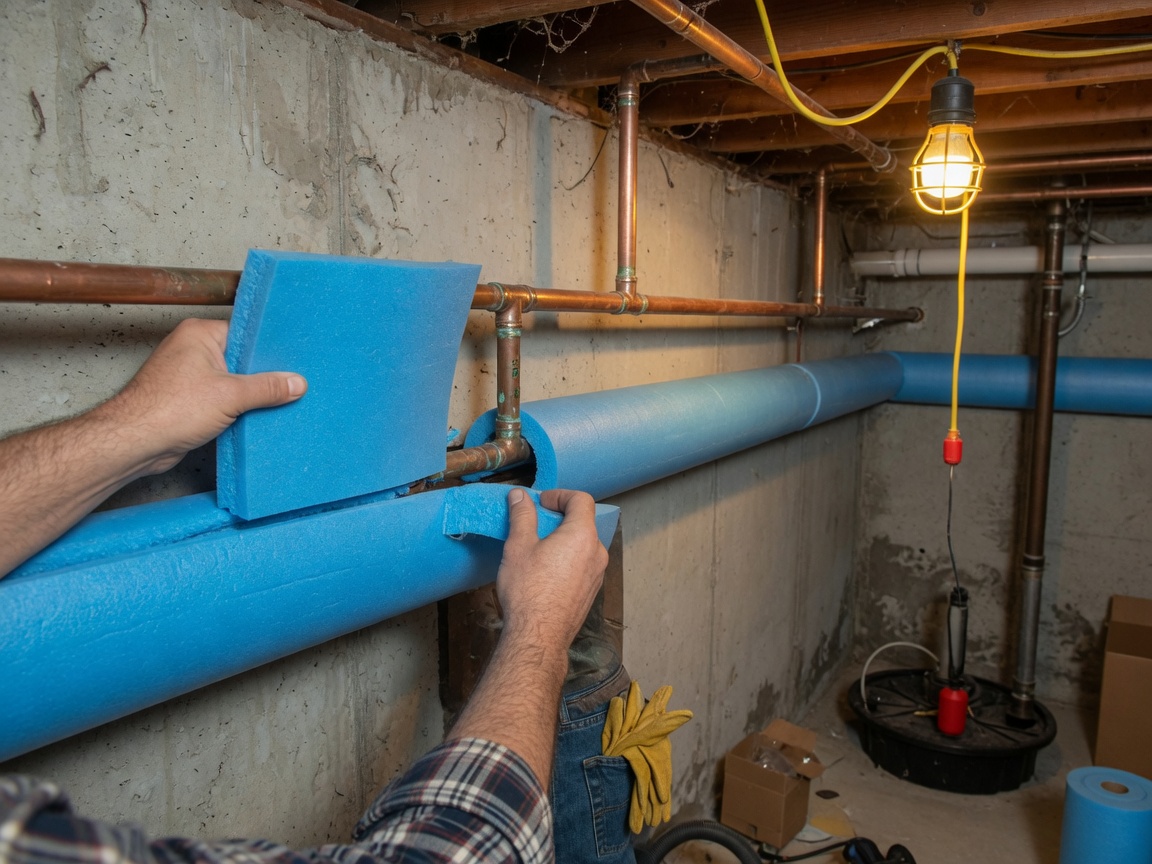
Ice dams are one of the most destructive winter problems Michigan homeowners face. They form when heat escaping from your attic melts snow on the upper portion of the roof, and the meltwater refreezes as it reaches the colder eave overhang. The resulting ice buildup traps water behind it, which can back up under shingles and into your home's walls and ceilings.
Signs of Ice Dam Formation
- Large icicles hanging from eaves and gutters — While icicles can form without ice dams, large icicle formations (especially along the entire eave line) are a strong indicator.
- Ice buildup at the gutter line — Visible ice forming a ridge along the gutter or lower roof edge.
- Water stains on interior ceilings or walls — Brown or yellow stains near exterior walls, especially on upper floors, often indicate water infiltration from an ice dam.
- Peeling paint on exterior walls near the roofline — Moisture from ice dam backup can cause interior moisture that shows as peeling exterior paint.
How to Prevent Ice Dams
The most effective ice dam prevention focuses on keeping your roof cold — preventing snow from melting in the first place:
- Seal all attic air leaks — This is the single most important step. Seal penetrations around light fixtures, plumbing stacks, electrical boxes, attic hatches, and ductwork. Every warm air leak into the attic contributes to snow melt on the roof.
- Add attic insulation to R-49 — Adequate insulation reduces the amount of heat that reaches the roof deck from your living space.
- Ensure proper attic ventilation — A combination of soffit (intake) and ridge (exhaust) vents creates continuous airflow through the attic, keeping the roof deck cold. The general rule is 1 square foot of net free ventilation area for every 150 square feet of attic floor space.
- Install ice and water shield membrane — If you're re-roofing, ask your roofer to install a self-adhering ice and water shield membrane along the eaves (at least 3 feet past the interior wall line). This provides a second line of defense if water gets under shingles.
If an ice dam forms mid-winter: Use a roof rake with an extended handle to remove snow from the lower 3–4 feet of the roof edge. Never climb on an icy roof or attempt to chip ice away with tools — you'll damage your shingles and risk injury. For severe ice dams, a licensed roofer can use calcium chloride ice melt in a nylon stocking laid across the dam to create channels for water to drain.
11. Sump Pump and Basement Waterproofing
Michigan's water table is high in many areas, and spring snowmelt combined with winter freeze-thaw cycles puts significant pressure on basement waterproofing systems. A failed sump pump during a heavy rain or rapid thaw can result in inches of standing water and thousands of dollars in damage to flooring, walls, and stored belongings.
- Test your sump pump — Pour several gallons of water into the sump pit to verify the pump activates, pumps water out, and shuts off properly. If it hesitates, struggles, or doesn't activate, have it serviced or replaced immediately.
- Clean the sump pit — Remove debris, gravel, and sediment from the pit to prevent the pump from clogging.
- Check the discharge line — Ensure the discharge pipe exits at least 6–10 feet from the foundation and isn't blocked or frozen. In winter, the discharge line can freeze shut, rendering the pump useless. Consider a freeze-guard discharge attachment.
- Install a battery backup sump pump — If your current sump pump is the only one, a battery backup system ($200–$400 installed) provides critical protection during power outages, which often coincide with the heavy rain events that cause basement flooding.
- Inspect basement walls for cracks — Hairline cracks in foundation walls are normal, but wider cracks (especially horizontal ones) may indicate hydrostatic pressure that needs professional evaluation.
- Verify grading slopes away from foundation — The ground around your home should slope away from the foundation at a minimum of 6 inches of fall over the first 10 feet. Poor grading is the most common cause of basement water intrusion.
12. Seasonal Home Value Protection Tips
Every maintenance task on this checklist does double duty — it protects your family's comfort and safety now, and it preserves your home's value for the future. As a REALTOR® with 20+ years in Mid-Michigan, I can tell you that buyers notice deferred maintenance immediately, and it shows up in lower offers and longer days on market.
- Document all maintenance — Keep a home maintenance log with dates, costs, and service providers. This documentation is valuable when selling, as it demonstrates consistent care and gives buyers confidence in the home's condition.
- Photograph winter damage promptly — If you notice ice dam damage, foundation cracks, or other issues, photograph them immediately for insurance documentation. Report to your homeowner's insurance agent before making permanent repairs.
- Schedule spring inspections early — After winter, schedule a professional roof inspection, gutter cleaning, and HVAC spring tune-up. Addressing any winter damage promptly prevents small problems from becoming expensive ones.
- Maintain your warranty records — Keep warranty documents for your furnace, water heater, roof, and major appliances organized and accessible. Buyers and inspectors ask about these, and having records builds confidence.
- Think about spring from fall — If you're considering selling in the spring, the work you do now to winterize your home directly protects your spring listing price. A home that's been properly maintained through winter will show better, appraise better, and sell faster than one with visible weather damage.
Quick Reference: Your Michigan Winter Home Maintenance Checklist
Fall (October–November): Before First Freeze
- Inspect roof for damaged shingles and flashing
- Clean gutters and check downspout drainage
- Seal windows, doors, and exterior cracks
- Schedule furnace tune-up and replace filters
- Insulate pipes in unheated areas
- Have chimney swept and inspected
- Apply window insulation film
- Seal asphalt driveway and repair concrete cracks
- Service snow blower and stock ice melt
- Build or refresh emergency kit
- Test sump pump and check discharge line
- Disconnect and drain outdoor hoses
- Install CO detectors and test smoke alarms
Winter (December–March): Monthly Maintenance
- Check furnace air filter monthly
- Monitor for ice dam formation on roof
- Keep walkways and driveways clear and treated
- Check for drafts and cold spots around windows
- Drip faucets on exterior walls during extreme cold
- Clear snow from vents, dryer exhaust, and meters
Your Home Is Your Biggest Investment
Ready to Make Your Next Move?
Whether you're buying your first home, selling a property, or simply want expert guidance on protecting your investment, I'm here to help with local knowledge and personalized service. Let's talk about your goals — any time of year.