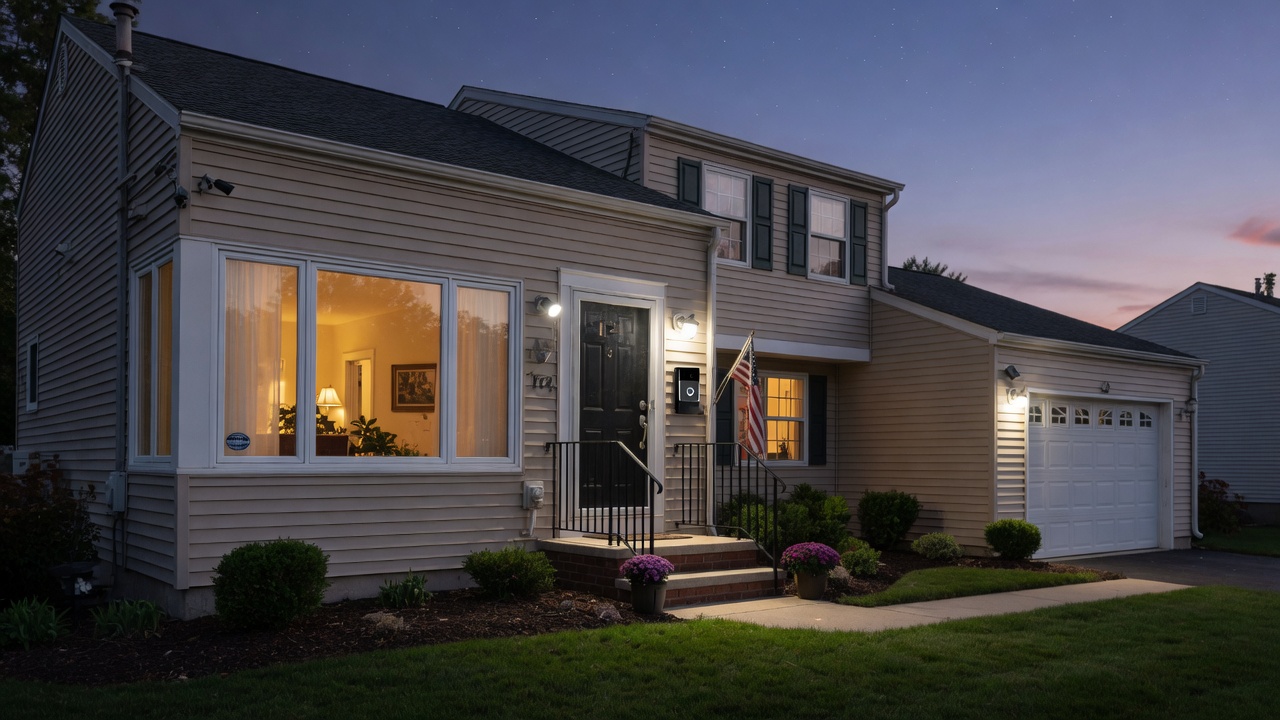
Homeowner's insurance isn't just a mortgage requirement — it's the financial shield that protects your largest asset from the unexpected. Yet most homeowners don't fully understand what their policy covers, where the gaps are, and when it's time to revisit their coverage. This guide walks you through everything you need to know to protect your Mid-Michigan home and your financial well-being.
Understanding Homeowner's Insurance Coverage
A standard HO-3 policy (the most common type) provides several distinct types of coverage. Understanding each is critical:
- Dwelling coverage (Coverage A): Protects the physical structure of your home — walls, roof, foundation, and attached structures. This should cover the full rebuild cost, not the market value. In Mid-Michigan, rebuild costs typically range from $150–$250 per square foot depending on finishes. Your coverage should be reviewed annually.
- Other structures (Coverage B): Covers detached structures like garages, sheds, fences, and detached decks. Typically set at 10% of dwelling coverage but can be increased.
- Personal property (Coverage C): Covers your belongings — furniture, electronics, clothing, appliances. Typically 50–70% of dwelling coverage. High-value items like jewelry, art, and collectibles often have sub-limits (usually $1,500–$2,500) and may require a scheduled personal property endorsement for full coverage.
- Loss of use (Coverage D): Pays for temporary housing and additional living expenses if your home becomes uninhabitable due to a covered loss. In Michigan, where rebuilding after a winter fire or storm can take 6–12 months, adequate loss-of-use coverage is essential.
- Liability (Coverage E): Protects you if someone is injured on your property and sues. Standard coverage is typically $100,000–$300,000. Given today's medical costs and legal environment, $300,000–$500,000 is a more prudent minimum. An umbrella policy adds $1 million+ in additional liability coverage for roughly $150–$300 per year.
When to Increase Your Coverage
Your insurance should evolve as your home and life change. Review your coverage after any of these events:
- Major renovation or addition: A finished basement, kitchen remodel, or room addition increases your home's rebuild cost. Notify your insurer before work begins — contractors should carry their own liability and workers' compensation, but your policy needs to reflect the increased value once the work is complete.
- Acquiring valuable items: Engagement rings, inherited jewelry, art, musical instruments, or collectibles may exceed your policy's standard sub-limits. Add a scheduled personal property endorsement for specific items.
- Home-based business: Standard homeowner's policies provide very limited coverage for business equipment and liability. If you run a business from home, you likely need a business owner's policy or a home-business endorsement.
- Rising construction costs: Inflation and supply chain issues have significantly increased rebuild costs in recent years. Review your dwelling coverage annually with your agent to ensure it keeps pace.
Flood Insurance Considerations
This is one of the most misunderstood aspects of home insurance — and it matters in Mid-Michigan, where many communities sit near lakes, rivers, and in areas with high water tables:
- Standard policies do NOT cover flooding: Not from rivers, lakes, heavy rain, snowmelt, or groundwater. This is a critical gap that surprises many homeowners after the fact.
- FEMA flood zones: If your home is in a designated Special Flood Hazard Area and you have a federally backed mortgage, flood insurance is required. But even if you're outside a high-risk zone, consider it — over 20% of flood claims come from properties outside high-risk areas.
- National Flood Insurance Program (NFIP): Provides up to $250,000 for the structure and $100,000 for contents. Private flood insurance options may offer higher limits. Typical cost in moderate-risk Michigan areas: $500–$1,200 annually.
- Sump pump failure and sewer backup: Also not covered by standard policies. A water backup endorsement typically costs $50–$150 per year and covers damage from sump pump failure, sewer backup, and drain overflow — common issues in Michigan basements.
Liability Protection for Homeowners
Liability claims can be financially devastating. Here's how to ensure you're adequately protected:
- Standard liability coverage: At minimum, carry $300,000. The premium difference between $100,000 and $300,000 is typically small — often $50–$100 per year — and the protection difference is enormous.
- Umbrella policy: An additional $1 million (or more) in liability coverage that sits above your home and auto policies. Cost: $150–$300 per year for $1 million. Essential if you have significant assets, a swimming pool, a trampoline, dogs, or host frequent gatherings.
- Michigan-specific considerations: With our long winters, slip-and-fall liability on icy walkways is a real risk. Keep walkways treated and cleared, ensure adequate exterior lighting, and maintain handrails on all steps.
Documenting Your Home's Contents
The single most important thing you can do to ensure a smooth claims process — and one of the most commonly neglected:
- Create a home inventory: Walk through every room and record a video, narrating as you go — describing items, approximate purchase dates, and values. Open drawers, closets, and cabinets.
- Photograph high-value items: Take close-up photos of jewelry, electronics, tools, art, and collectibles. Photograph serial numbers and model numbers.
- Store records offsite: Keep your inventory video, photos, and receipts in cloud storage (Google Drive, Dropbox, iCloud) or a safe deposit box. If your home burns down, a video stored on a laptop in the house does you no good.
- Update annually: Refresh your inventory each year. Add new purchases, remove items you've sold or discarded. Many insurers offer apps or online tools for this purpose.
Pro tip: A detailed home inventory typically increases claim payouts by 20–30% because you're not relying on memory during a stressful time. It also dramatically speeds up the claims process.
Filing Claims Effectively
When something goes wrong, how you handle the claim significantly impacts the outcome:
- Call immediately: Most policies require "prompt notification." Delays can jeopardize coverage. Many insurers have 24/7 claims hotlines.
- Mitigate further damage: You're required to take reasonable steps to prevent additional damage — tarping a damaged roof, shutting off water after a pipe burst, boarding broken windows. Keep receipts for emergency repairs; these are typically reimbursable.
- Document everything: Photograph and video all damage before cleanup or repair begins. Create a detailed list of damaged items with approximate age and original cost. This is where your home inventory becomes invaluable.
- Get multiple repair estimates: For significant damage, obtain estimates from 2–3 licensed contractors. Your insurer's preferred contractor may be convenient, but you have the right to choose your own.
- Know when NOT to file: If the repair cost is close to or below your deductible, consider paying out of pocket. Multiple small claims can lead to premium increases or even non-renewal, even if each claim was small and legitimate.
When to Shop for New Insurance
Most homeowners set their insurance when they buy the home and never revisit it. That's leaving money on the table:
- Every 2–3 years: Shop your policy. Loyalty isn't rewarded in insurance — new customer discounts and competitive pricing often mean you can get equal or better coverage for less.
- After home improvements: A new roof, updated electrical, a security system, or smart water leak detectors can qualify you for significant premium discounts — but only if you inform your insurer.
- When bundling: Combining home and auto insurance with the same carrier typically saves 10–25% on both policies. Some carriers also offer umbrella, boat, and RV bundling discounts.
- Improving your credit: In Michigan, insurers can use credit-based insurance scores. Improving your credit score can lower premiums — sometimes significantly.
Need Professional Guidance?
Protect Your Home — and Your Future
I can connect you with trusted local insurance agents who understand Mid-Michigan's specific risks and needs. Whether you're buying, selling, or just want a coverage review, I'm here to help.