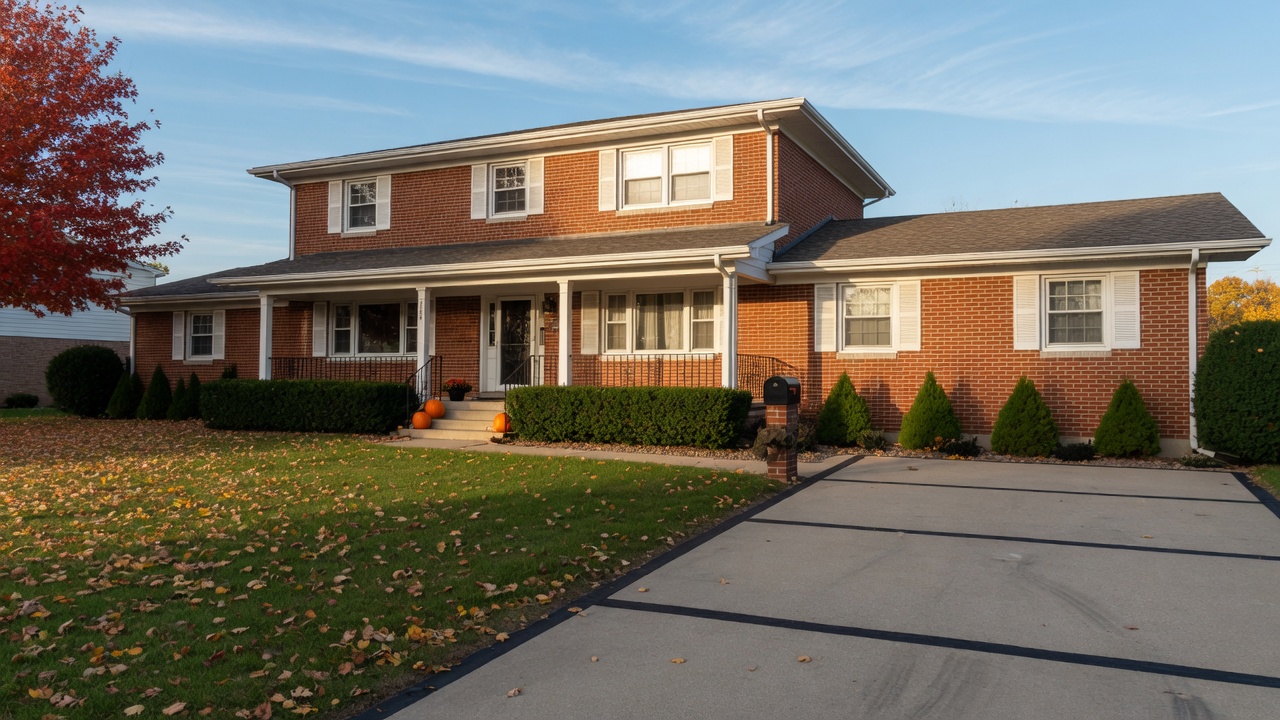
Homeownership in Mid-Michigan comes with a unique rhythm: preparing for winter's deep freeze, welcoming spring's thaw, managing summer humidity, and getting ready for fall's leaf drop. A systematic maintenance approach not only prevents costly emergency repairs — it also preserves and builds your home's value over time. The following guide covers every season, every major system, and every smart strategy for protecting your investment.
Spring Maintenance Checklist (March–May)
After a long Michigan winter, spring maintenance focuses on assessing winter damage and preparing for warmer weather:
- Roof inspection — Check for missing or damaged shingles, cracked flashing, and signs of ice dam damage. Schedule repairs before spring rains arrive.
- Gutter cleaning — Remove winter debris and check for sagging sections. Verify downspouts direct water at least 4–6 feet from the foundation.
- Sump pump test — Pour water into the pit and confirm the pump activates and discharges properly. Spring thaws and rains are the peak season for basement flooding.
- Exterior inspection — Examine siding, brick, and foundation for cracks caused by freeze-thaw cycles. Seal any openings to prevent water and pest intrusion.
- Air conditioner prep — Schedule professional AC maintenance in late spring. Clean around the outdoor condenser unit, removing leaves and debris. Replace the indoor air filter.
- Window and screen check — Remove winter film, inspect and repair torn screens, and clean window tracks. Lubricate window hardware.
- Deck and patio inspection — Check for loose boards, protruding nails, and wood rot. Power wash and reseal wood decks every 2–3 years.
Summer Maintenance Checklist (June–August)
Summer is ideal for outdoor projects and addressing issues before they compound:
- HVAC system check — Replace the air filter monthly during heavy-use summer months. Keep the outdoor unit clear of grass clippings and debris.
- Exterior painting and caulking — Dry summer weather is the best time for exterior painting, caulking windows and doors, and touching up trim.
- Driveway and walkway maintenance — Fill cracks in asphalt and concrete. Consider seal coating asphalt driveways every 2–3 years before fall.
- Plumbing check — Look for signs of leaks under sinks, around toilets, and near the water heater. Test water pressure and check for slow drains.
- Pest prevention — Inspect for ant trails, wasp nests, and signs of carpenter bees or termites. Trim tree branches away from the roof line to prevent pest highways.
- Garage organization — Take advantage of warm weather to clean and organize the garage. Check garage door auto-reverse safety sensors.
Fall Maintenance Checklist (September–November)
Fall is the most critical maintenance season in Michigan — the work you do now protects your home through winter:
- Gutter cleaning (critical) — After leaf drop, thoroughly clean gutters and downspouts. Clogged gutters are the primary cause of ice dams in Michigan winters.
- Furnace tune-up — Schedule a professional furnace inspection and cleaning in early October. Replace the filter and test the thermostat's heating mode.
- Weatherstripping and sealing — Seal gaps around windows, doors, and exterior penetrations. Apply window insulation film to older single-pane windows.
- Pipe insulation — Insulate pipes in unheated areas with foam sleeves. Disconnect and drain outdoor hoses. Shut off exterior water supply valves.
- Chimney and fireplace — Have the chimney swept and inspected by a certified professional. Check the damper and cap. For gas fireplaces, have the burner and pilot inspected.
- Snow removal prep — Service the snow blower (oil change, spark plug, fresh fuel). Stock ice melt, sand, and ensure shovels are in good condition.
- Carbon monoxide and smoke detectors — Replace batteries in all detectors. CO detectors are required by Michigan law in homes with fuel-burning appliances or attached garages.
Winter Maintenance Checklist (December–February)
Winter maintenance is about monitoring and responding — catching small problems before they escalate:
- Monthly furnace filter check — Replace every 1–3 months during heating season. A clogged filter reduces efficiency and strains the system.
- Ice dam monitoring — Watch for icicle buildup along the roof edge. Use a roof rake to remove snow from the lower 3–4 feet of the roof edge after heavy accumulation.
- Pipe freeze prevention — During extreme cold (below 0°F), let faucets on exterior walls drip. Open cabinet doors under sinks to allow warm air circulation.
- Walkway and driveway safety — Keep walkways clear and treated. Check handrails for stability. Clear snow from gas meters, dryer vents, and furnace exhaust pipes.
- Indoor humidity control — Michigan winters are dry. Maintain indoor humidity between 30–50%. Use a humidifier to protect wood floors, trim, and musical instruments.
Annual Home Inspection Checklist
Once a year, conduct a thorough walkthrough of your entire home — inside and out — looking for signs of wear, damage, or needed repairs:
- Roof and attic — Inspect for water stains, mold, adequate insulation depth (R-49 recommended for Michigan), and proper ventilation.
- Foundation and basement — Walk the perimeter looking for cracks, efflorescence (white mineral deposits), or signs of water intrusion.
- Plumbing systems — Check for leaks, corrosion, and proper water pressure. Flush the water heater to remove sediment. Test the water heater pressure relief valve.
- Electrical systems — Test all GFCI outlets. Check for warm outlets, flickering lights, or frequently tripping breakers — these may indicate wiring issues.
- Safety devices — Test smoke detectors, CO detectors, and fire extinguishers. Review your family fire escape plan.
DIY Repairs vs. Hiring a Professional
Knowing when to tackle a repair yourself and when to call an expert saves money — and prevents expensive mistakes:
| DIY-Friendly Repairs | Call a Professional |
|---|---|
| Painting interior walls and trim | Electrical panel or wiring work |
| Replacing light fixtures and switches | Gas line repairs or appliance installation |
| Caulking and weatherstripping | HVAC repair or refrigerant handling |
| Cleaning gutters (single-story) | Roof repairs or replacement |
| Unclogging drains with a snake/auger | Major plumbing pipe replacement |
| Changing HVAC filters | Structural modifications or foundation repairs |
| Resetting a circuit breaker | Window or exterior door replacement |
Preventive Maintenance That Saves Money
These small, regular investments consistently deliver the highest return through avoided repairs and extended system life:
- Annual furnace tune-up ($100–$200) — Extends furnace life by 3–5 years and improves efficiency by up to 15%, saving $150–$300 annually on heating.
- Gutter cleaning ($100–$250/year if hired out) — Prevents ice dams, foundation water damage, and basement flooding. The alternative can cost $5,000–$20,000 in water damage repairs.
- Water heater flush ($0 DIY, ~$150 pro) — Annual flushing removes sediment that reduces efficiency and shortens tank life. A water heater that lasts 15 years vs. 8 saves $800–$1,200.
- Attic air sealing ($200–$500) — Sealing attic bypasses can reduce heating and cooling costs by 10–20% and is the most effective step for preventing ice dams.
- Dryer vent cleaning ($50–$100) — Prevents the #1 cause of house fires related to appliances. Also improves dryer efficiency and reduces drying time.
Need Professional Guidance?
Let's Talk About Your Home
Whether you're maintaining your current home or preparing to sell, I can connect you with trusted local contractors and help you prioritize the improvements that add the most value. Reach out anytime.