
Every Michigan homeowner knows the feeling: you plant a beautiful bed of annuals in May, tend them through June, deadhead through July, and by August you're wondering whether the whole display was worth the weekly watering and weekend weeding. There's a better way. A low-maintenance perennial garden, built with hardy plants suited to Michigan's climate, can deliver season after season of color and texture with a fraction of the effort required by annual plantings.
Whether you're a first-time homeowner in Grand Blanc, a retiree in Hartland, or a family settling into Oxford, investing in the right perennial garden adds long-term value to your property and your daily life. Here's how to build a garden that thrives in Mid-Michigan with minimal ongoing work.
Why Perennials Work for Michigan Homes
Michigan's climate is defined by cold winters, warm summers, and enough rainfall to keep plants happy through most of the growing season. Perennials that are native to or well-adapted to USDA Hardiness Zones 5 and 6 are built for these conditions. Once established, they develop deep root systems that help them survive winter freezes, bounce back in spring, and tolerate dry spells in summer without constant watering.
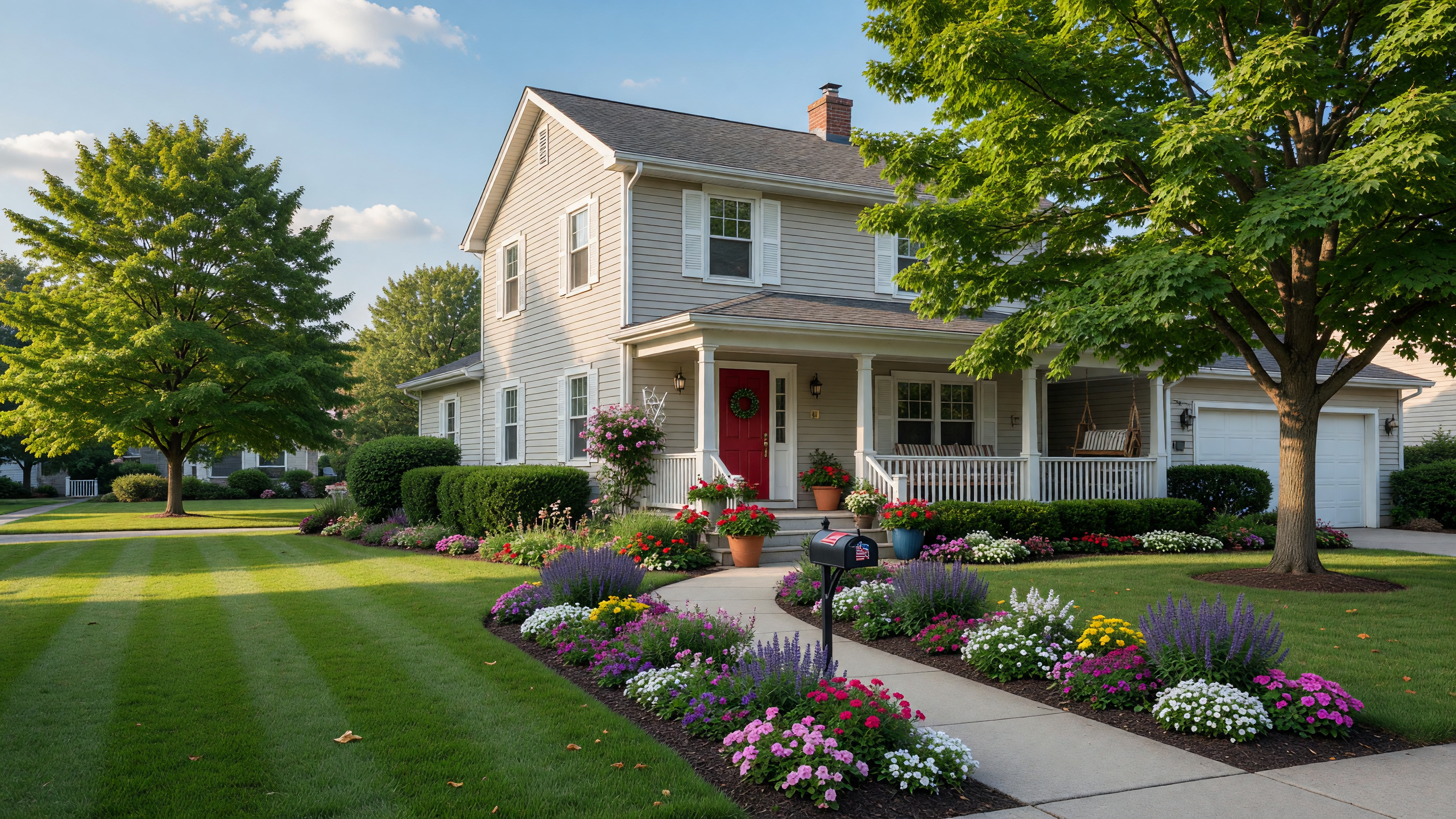
From a homeownership perspective, well-chosen perennials also add structure and curb appeal that grows more impressive with each passing year. A bed that looks good in its second year is often spectacular by its third or fourth -- and that kind of maturing landscape is a genuine asset when it comes time to sell. Buyers notice established gardens. They signal care, permanence, and pride of ownership.
The Best Low-Maintenance Perennials for Mid-Michigan Gardens
Not all perennials are equal when it comes to ease of care. Here are the varieties that consistently perform well across Genesee, Oakland, Livingston, and surrounding counties with minimal fuss.
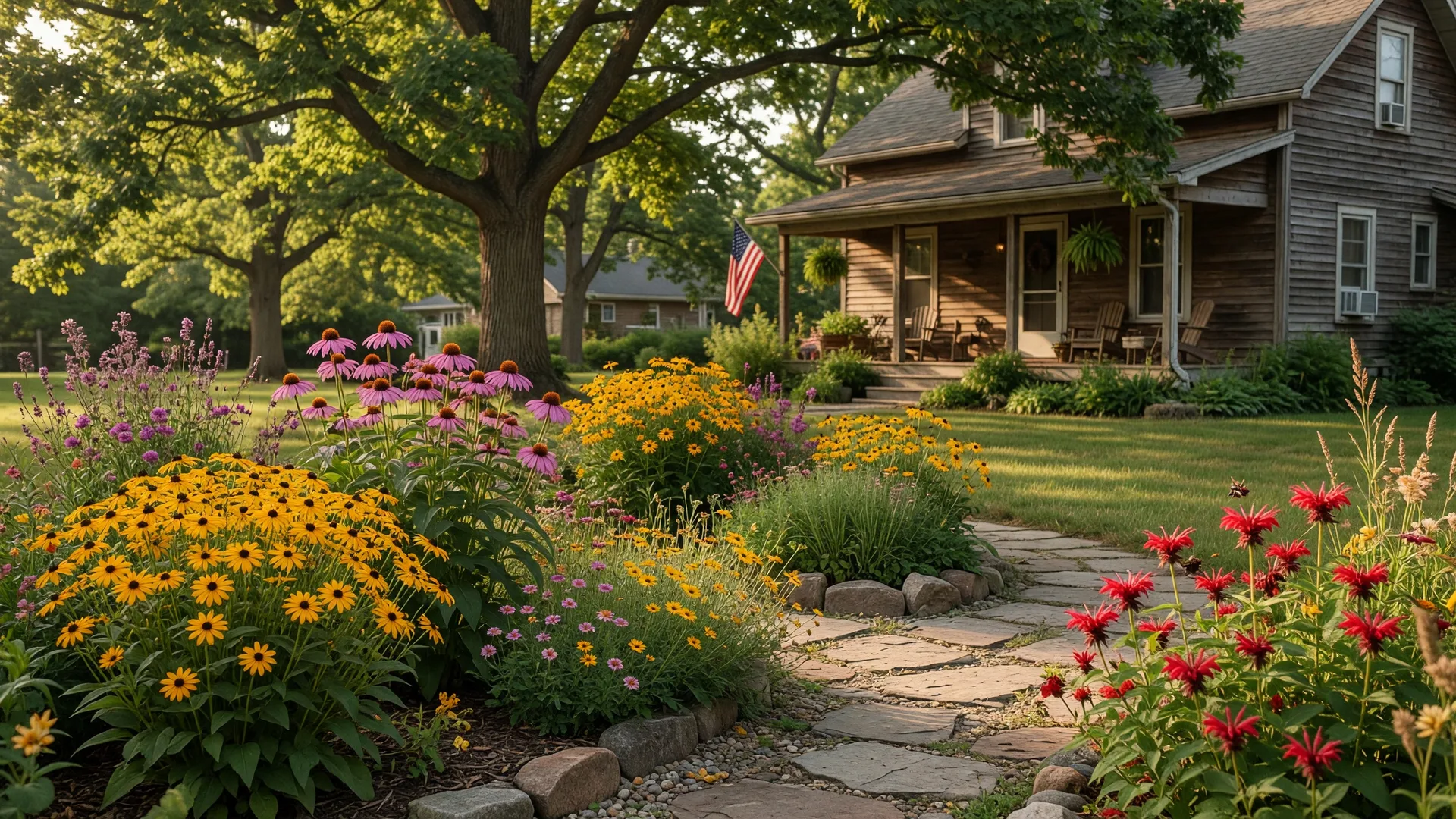
- Black-Eyed Susans (Rudbeckia) -- A Michigan classic. These cheerful yellow flowers bloom from July through September, tolerate clay soil and varying moisture, and require nothing more than cutting back in late fall. They spread naturally over time, filling in bare spots without any effort on your part.
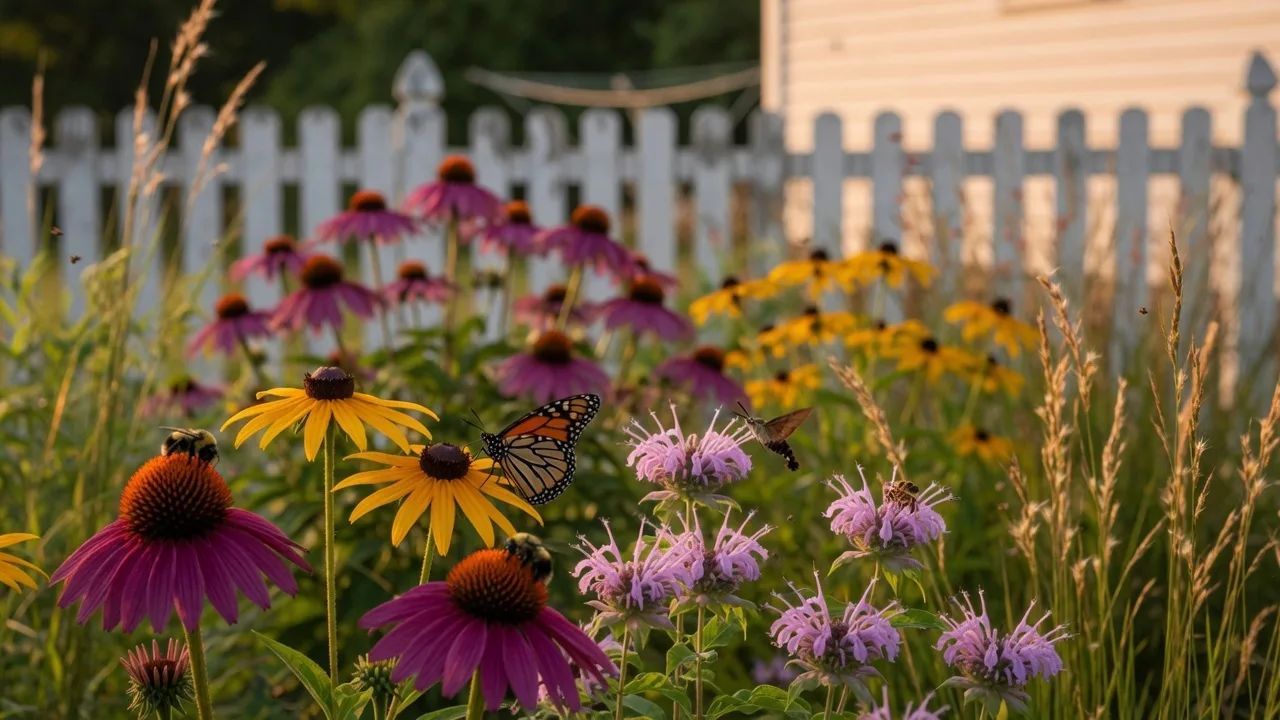
- Purple Coneflowers (Echinacea) -- Tough, drought-tolerant, and loved by pollinators. Coneflowers bloom for weeks in mid-summer and their seed heads provide winter interest and food for birds. They thrive in full sun and poor soil -- perfect for the homeowner who wants color without fuss.
- Daylilies (Hemerocallis) -- Almost indestructible in Michigan gardens. Daylilies spread into dense clumps that suppress weeds, bloom in a range of colors from pale yellow to deep burgundy, and ask for nothing but occasional division every few years. They're the workhorse of the low-maintenance garden.
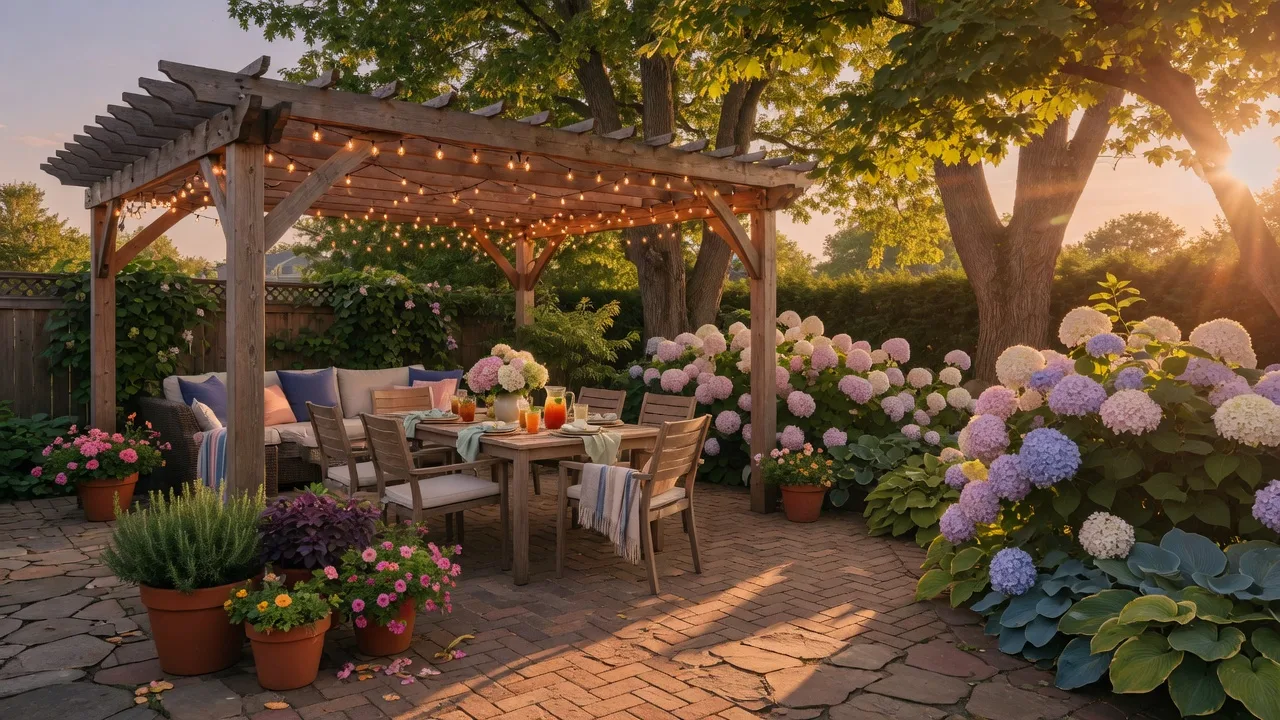
- Hostas -- The go-to choice for shady yards. Hostas thrive under trees and along north-facing foundations where many plants struggle. They come in hundreds of varieties with different leaf colors, sizes, and textures, and they require almost no care once established.
- Bee Balm (Monarda) -- A native Michigan plant that attracts hummingbirds and butterflies. Bee balm spreads readily and produces showy red, pink, or purple flowers in mid-summer. It's ideal for the back of a border where it can naturalize freely.
- Ornamental Grasses -- Not technically perennials in the flowering sense, but grasses like Little Bluestem, Switchgrass, and Feather Reed Grass add year-round structure and movement. They're drought-tolerant, deer-resistant, and provide winter interest when other plants have gone dormant.
For the best selection of these varieties, visit local garden centers in your community. Fenton, Davison, and Clarkston all have independent nurseries that stock hardy perennials suited to our specific growing conditions.
Designing Your Garden for Minimal Maintenance
The secret to a low-maintenance perennial garden lies in the planning. Here are the key principles that save you work for years to come.
Start with good soil preparation. Before you plant anything, amend your soil with compost or aged manure. This one step -- done right, once -- pays dividends for the life of your garden. Well-fed perennials grow stronger, resist disease better, and need less supplemental watering than plants struggling in poor soil.
Plant in drifts, not rows. Group five or seven of the same plant together rather than scattering singles. Massed plantings create visual impact, reduce weed competition, and make it easy for pollinators to find their food sources. The result looks intentional and professional without requiring elaborate design skills.
Mulch generously. A 2- to 3-inch layer of shredded bark or leaf mulch after planting suppresses weeds, retains moisture, and moderates soil temperature. Mulch also breaks down over time, feeding the soil naturally. Reapply a fresh layer each spring for the best results.
Choose plants that bloom at different times. A well-planned perennial garden offers something from spring through fall. Combine early bloomers like creeping phlox and bleeding heart with mid-summer coneflowers and bee balm, then add fall asters and sedum for late-season color. This staggered bloom cycle keeps your garden interesting without requiring constant replanting.
Seasonal Care: What Little You Actually Need to Do
One of the best things about a perennial garden built from the right plants is how little it demands of you. Here's what an easy-care perennial schedule looks like in Mid-Michigan.
- Spring (April-May): Cut back last year's dead stems before new growth appears. Refresh mulch. Divide crowded clumps every 3-4 years if needed -- this is the most labor-intensive task and it only happens every few years.
- Summer (June-August): Water deeply once a week during dry spells. Remove spent flower heads if you want to encourage reblooming -- or leave them for winter interest and bird food. That's it.
- Fall (September-November): Leave most perennials standing through winter -- the seed heads feed birds and the stems trap snow for insulation. Cut everything back in late fall or early spring depending on your preference.
Why This Matters for Homeowners and Homebuyers
As a REALTOR® with over 20 years of experience helping families find homes across Mid-Michigan, I've seen firsthand how a well-planned landscape elevates a property. Gardens that are beautiful without being demanding are exactly what most homeowners want -- especially busy families, working professionals, and empty-nesters who have better things to do than spend every Saturday weeding.
If you're looking at homes in Genesee County, Oakland County, or Livingston County, pay attention to the garden. A home with established perennials and thoughtful landscaping is a home whose owners cared for the whole property -- and that's a good sign for the condition of everything else, too.
Whether you're planting your first garden or searching for your first home in Mid-Michigan, I'd love to help. Call Joyce at 810-513-3335 or contact me directly.
About the author: Joyce England is a REALTOR® with Keller Williams First, serving home sellers and buyers throughout Genesee County, Oakland County, Livingston County, Lapeer County, Shiawassee County, Saginaw County, and surrounding Mid-Michigan communities. With more than 20 years of real estate experience, she brings local market knowledge, professional marketing expertise, and a personal commitment to every client. Learn more.