In Mid-Michigan, September is when gardens begin their slow shift toward winter, and the choices you make this month shape both next spring's flower beds and the wildlife that shares your yard. The reassuring news is that a lighter hand is almost always better. This guide covers which perennials to cut back now, how to put fallen leaves to work, and the small tasks that make spring cleanup dramatically easier, grounded in the guidance Michigan State University Extension shares with Michigan gardeners.
Why Michigan Gardens Do Better With a Lighter Fall Cleanup
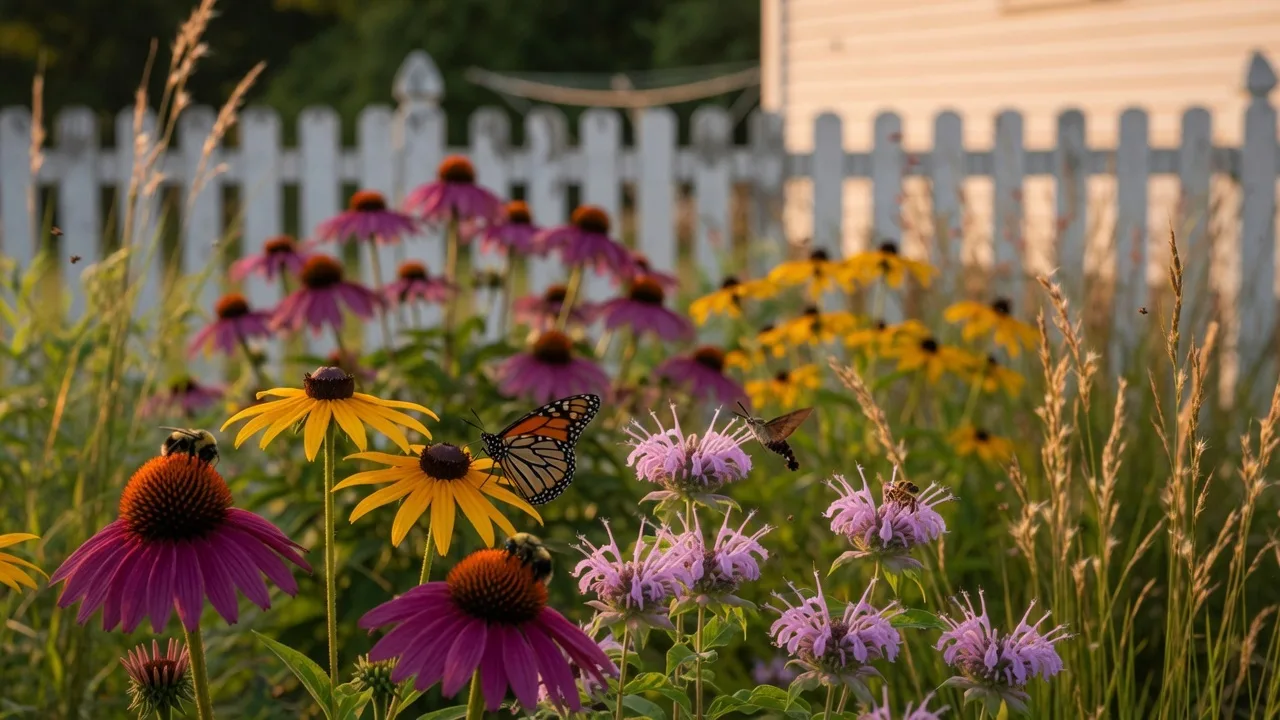
MSU Extension's advice on fall perennial care comes down to three words: less is more. Healthy perennials left standing through winter provide shelter for birds and for overwintering pollinators, including bumble bees, butterflies, and woolly bear caterpillars. Instead of clearing beds to bare soil in October, MSU recommends removing only what you must and finishing the major cleanup in spring, before new growth begins. That single habit keeps your garden alive with activity all winter long. You can read the full guidance in MSU Extension's article on preparing your garden for winter.
Which Perennials to Cut Back Now, and Which to Leave
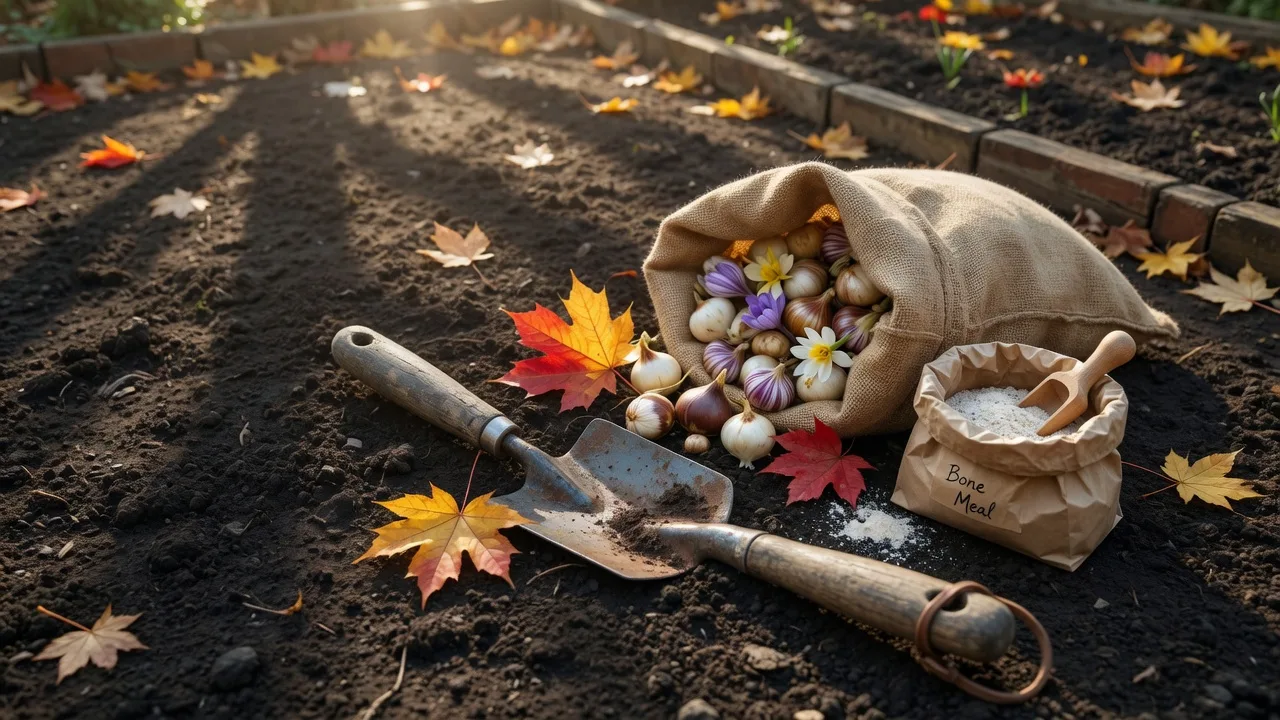
There are good reasons to cut some plants down in fall. Perennials with foliar disease or insect damage, such as peonies with powdery mildew, should be trimmed and the debris removed so the problem does not carry into next season. Cutting back that growth also removes hiding places for slugs and voles. Everything else can stand: ornamental grasses, coneflowers, black-eyed Susans, and spent seed heads add winter interest and feed birds. And leave spring bulbs entirely alone, letting their foliage die back naturally so the bulb can store energy for next year's flowers.
Put Fallen Leaves to Work Instead of Bagging Them
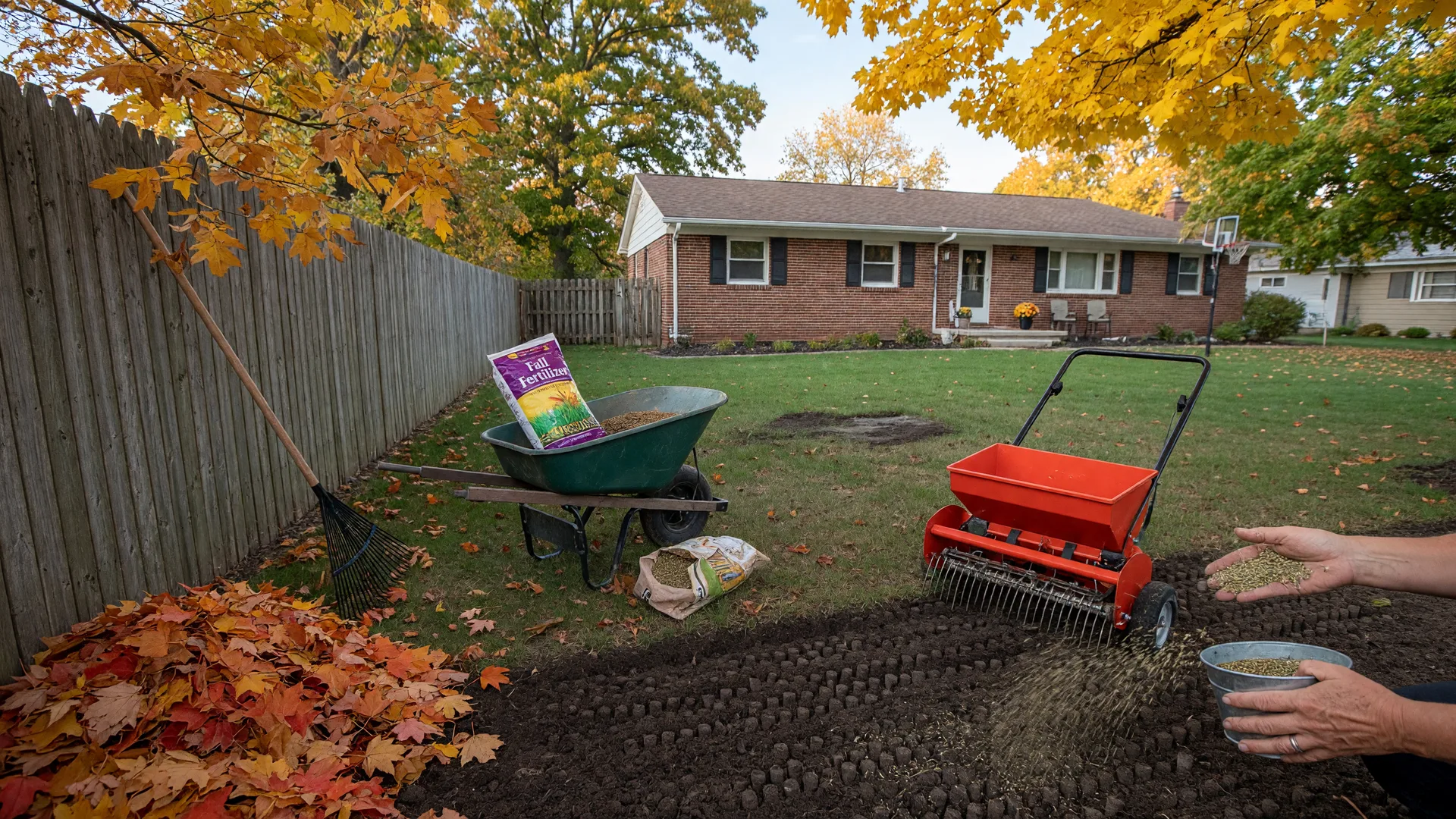
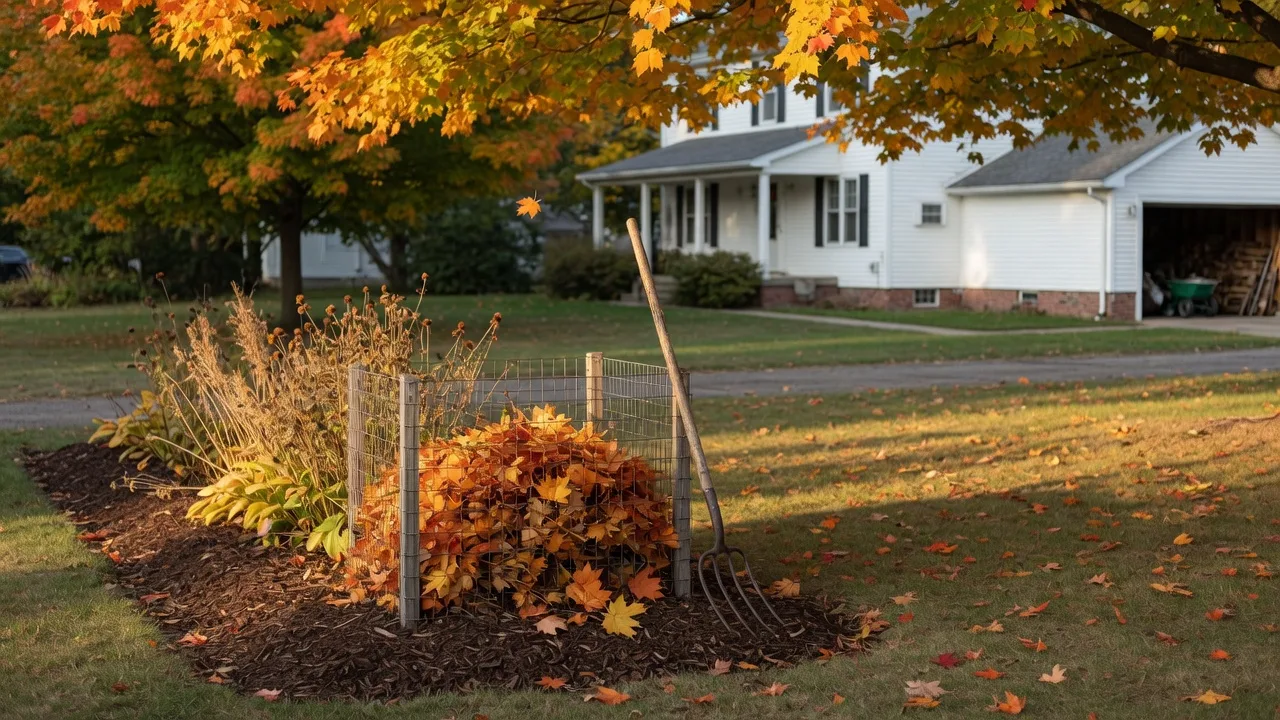
Fallen leaves are one of the best free resources a Michigan yard has. MSU recommends using them as mulch around trees, shrubs, and perennial beds, where they insulate the soil and shelter beneficial insects through the cold months. On the lawn, run the mower over a thin layer of leaves a few times to chop them fine; mulched leaves feed the soil and are far better for turf than letting thick, wet mats smother the grass. Excess leaves belong in the compost pile, where they break down into rich, crumbly material for next year's beds. Mix green material with dry leaves to keep the pile working through fall.
Know Your Local Leaf Collection, and Where to Find Supplies
If your yard produces more leaves than you can mulch or compost, learn how your community handles pickup. The City of Grand Blanc runs a fall curbside leaf collection that typically begins in November, the City of Flint collects bagged leaves on regular trash days each fall, and Fenton collects bagged yard waste weekly from spring through late November through its waste provider. Schedules and rules change year to year, so check with your city's Department of Public Works before the season peaks. For compost bins, mulch, or soil amendments, local garden centers such as Bordine's of Grand Blanc on Torrey Road and Sunrise Greenhouse on Perry Road keep the supplies Mid-Michigan gardeners reach for each fall.
Five Small Tasks That Make Spring Easier
A few minutes of prep now saves hours in April. Pull and compost spent annuals, empty and store containers so they do not crack, and drain garden hoses before freezing nights. Label beds you want to divide in spring, and add a thin layer of compost over beds once they are cleaned. Edge borders now while the soil is soft, and make a note of which shrubs could use a late-winter pruning. None of these take a whole afternoon, and together they give you a head start on the season.
Gardens are often the first thing buyers notice when they pull into a driveway, and a tidy fall landscape photographs beautifully for a late-season listing. As a REALTOR who has helped families find homes across Genesee, Oakland, Livingston, Lapeer, Shiawassee, Saginaw, and Tuscola counties, I know how much a cared-for yard says about a home. If you are thinking about a move to Mid-Michigan and want a home with room for a garden you will love, I would be glad to help you find the right match.

Joyce England, REALTOR\u00ae
Keller Williams First · Mid-Michigan
Joyce England is a Mid-Michigan REALTOR serving families across Genesee, Oakland, Livingston, Lapeer, Shiawassee, Saginaw, and Tuscola counties. She brings more than 20 years of local market experience and a personal commitment to helping each client find the right home in the right community.