
By late July, many Michigan gardens are at their peak. The perennials are full, the tomatoes are ripening, and the lawn has settled into its summer rhythm. But for experienced Michigan gardeners, late summer is not a time to coast. It is the window to set up your garden for a strong fall and an even stronger spring next year.
Whether you are tending a flower border in Genesee County, a vegetable patch in Oakland County, or a sprawling landscape in Livingston County, these late-summer tasks will keep your garden looking its best through September and beyond.
Start Your Fall Vegetable Garden Now
Many Michigan gardeners do not realize that late July through mid-August is the ideal time to plant cool-season vegetables for a fall harvest. In Mid-Michigan, our first frost typically arrives between late September and mid-October, which gives you 60 to 80 growing days. That is plenty of time for crops like carrots, beets, kale, spinach, radishes, and turnips.
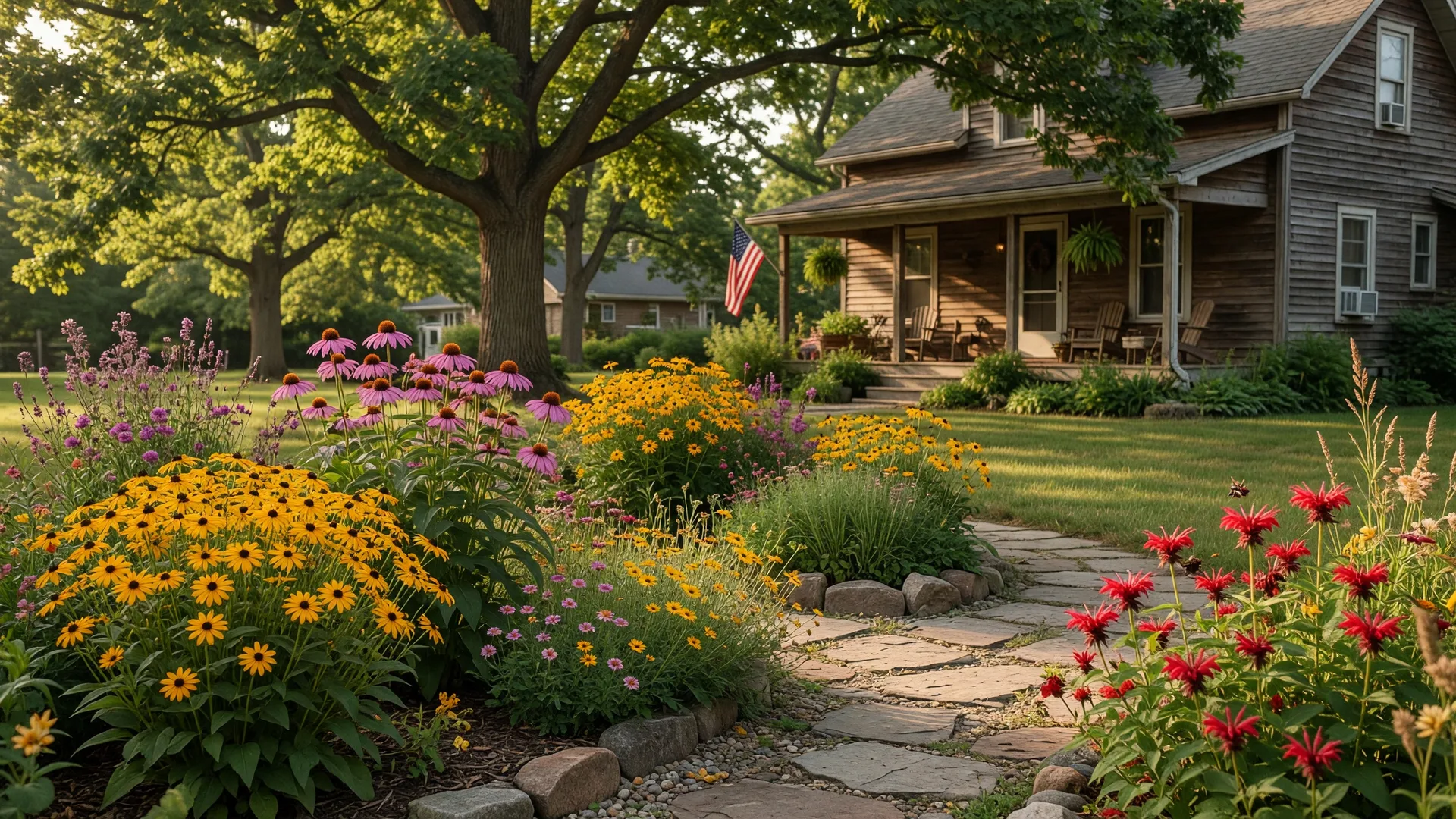
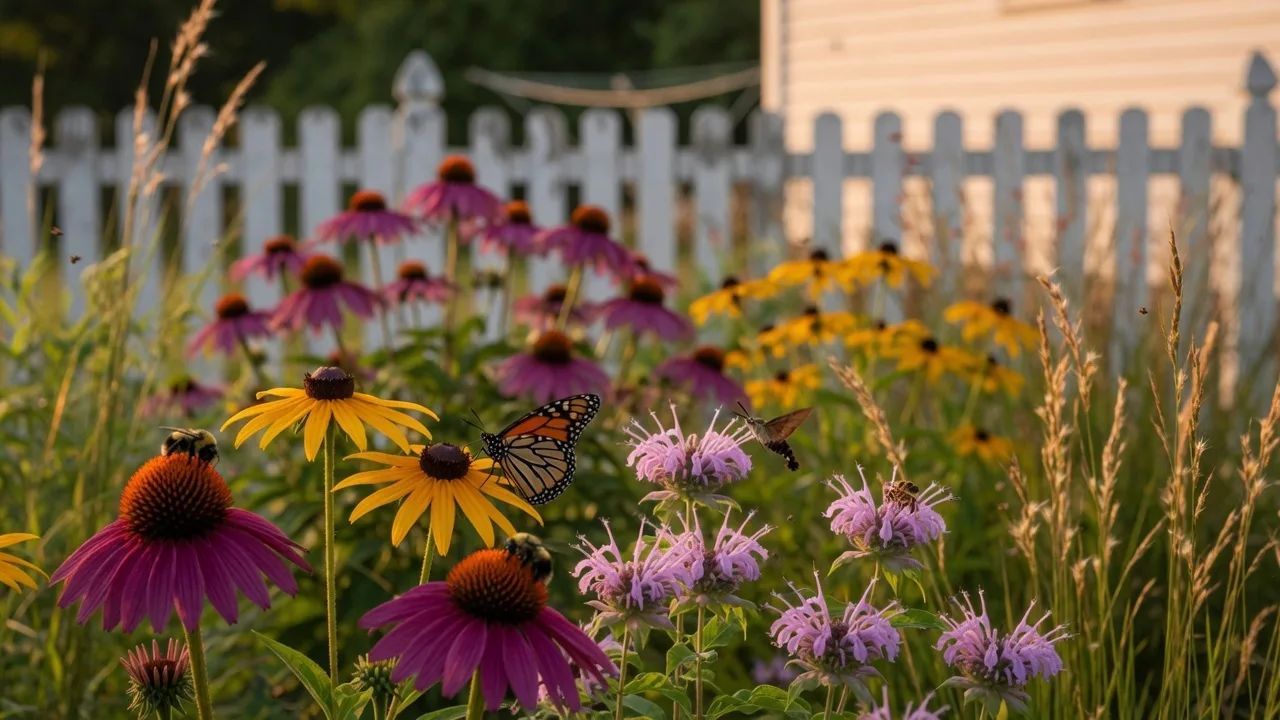
Lettuce and other salad greens thrive when planted in late summer because the cooler September temperatures produce sweeter, less bitter leaves than spring plantings. Native pollinator gardens also benefit from a mid-summer refresh: cutting back spent blooms on coneflowers and black-eyed Susans encourages a second flush of flowers that will feed migrating monarch butterflies in September.
Prune Wisely, Not Wildly
Late summer is not the time for heavy pruning on most trees and shrubs — that stresses plants heading into winter dormancy. But there are exceptions. Spring-blooming shrubs like lilacs, forsythia, and weigela set next year's flower buds in summer, so if you need to shape them, do it right after they bloom, not in fall. And spent perennial flowers (daylilies, irises, peonies) can be deadheaded now to keep the garden tidy.
One task that pays off in spring: cut back raspberry canes that already fruited, leaving the new green canes for next year's crop. Michigan's climate rewards gardeners who know the difference between summer pruning and late-summer cleanup.
Gardener's tip: Stop deadheading coneflowers and black-eyed Susans in early September. The seed heads provide critical winter food for goldfinches and other birds, plus they add architectural interest to the winter garden.
Water Deeply, Less Often
Late July and August are typically the hottest and driest weeks in Mid-Michigan. The most common watering mistake is light, frequent sprinkling — this encourages shallow roots that struggle in heat. Instead, water deeply once or twice a week, aiming for about an inch of water per week including rainfall. Early morning watering is best: it reduces evaporation and gives leaves time to dry before nightfall, which helps prevent fungal diseases common in Michigan's humid summers.
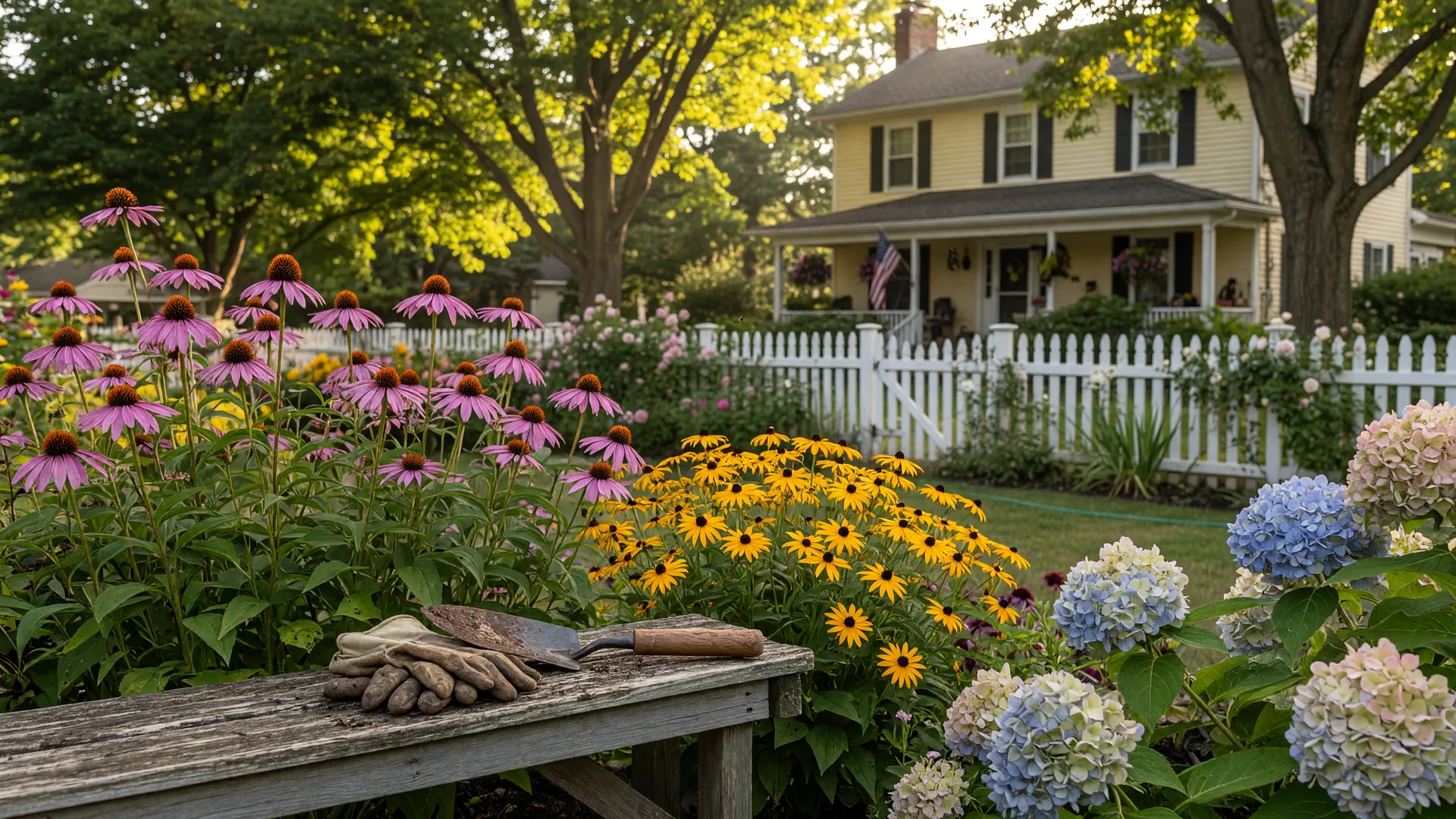
If you are putting your home on the market this year, a well-maintained garden and healthy lawn are among the most cost-effective ways to boost curb appeal. Late summer curb appeal matters — buyers touring homes in August and September are still forming first impressions from the street.
Mulch, Compost, and Feed the Soil
Mid-summer is an excellent time to refresh mulch around trees, shrubs, and flower beds. A fresh two-inch layer of shredded hardwood mulch conserves moisture, suppresses weeds, and keeps soil temperatures steady during late-summer heat waves. Just keep mulch pulled back from tree trunks and shrub stems to prevent rot.
If you compost, start layering your kitchen scraps and garden trimmings now. A compost pile started in late summer will break down through the fall and be ready to spread on garden beds before the first snowfall. Michigan's freeze-thaw cycle actually helps break down organic matter, so do not stop adding to the pile until the ground freezes solid.
Prepare Your Lawn for Fall
Late summer is the transition period for Michigan lawns. The cool-season grasses we grow here — Kentucky bluegrass, perennial ryegrass, fine fescue — thrive in the cooler temperatures of September. If your lawn is looking thin, now is the time to plan your fall overseeding. Late August through mid-September is the ideal window: the soil is still warm enough for germination, but the heat stress of July has passed.
Hold off on fertilizing until after Labor Day. Applying nitrogen-heavy fertilizer in hot weather can burn the grass and encourage disease. Instead, wait until early September when overnight temperatures consistently fall below 65 degrees, then apply a slow-release fertilizer for strong root growth before winter.
Plan for Spring Bulbs
It may seem early, but late summer is the time to order spring-blooming bulbs for October planting. Michigan's garden centers start receiving their bulb shipments in August, and the best varieties sell out fast. Tulips, daffodils, alliums, and crocuses all need to go into the ground between late September and early November, before the ground freezes. Planning your bulb order now means you can design your spring display with intention rather than settling for whatever is left in October.
For homeowners considering selling next spring, a well-planned bulb display creates instant curb appeal in April and May — a simple investment that can set your home apart in the early-season market.
Whether you are gardening for enjoyment, for curb appeal, or for both, late summer in Mid-Michigan offers a productive window that too many homeowners overlook. A few hours of focused work now will reward you with a healthier garden through the fall and a head start when spring returns. If you have been thinking about finding a home with more outdoor space, or a community with stronger gardening traditions, call Joyce at 810-513-3335 or reach out directly — the right property starts with the right piece of land.
Written by Joyce England, REALTOR® with Keller Williams First, serving home sellers and buyers throughout Genesee County, Oakland County, Livingston County, Lapeer County, Shiawassee County, Saginaw County, and surrounding Mid-Michigan communities.