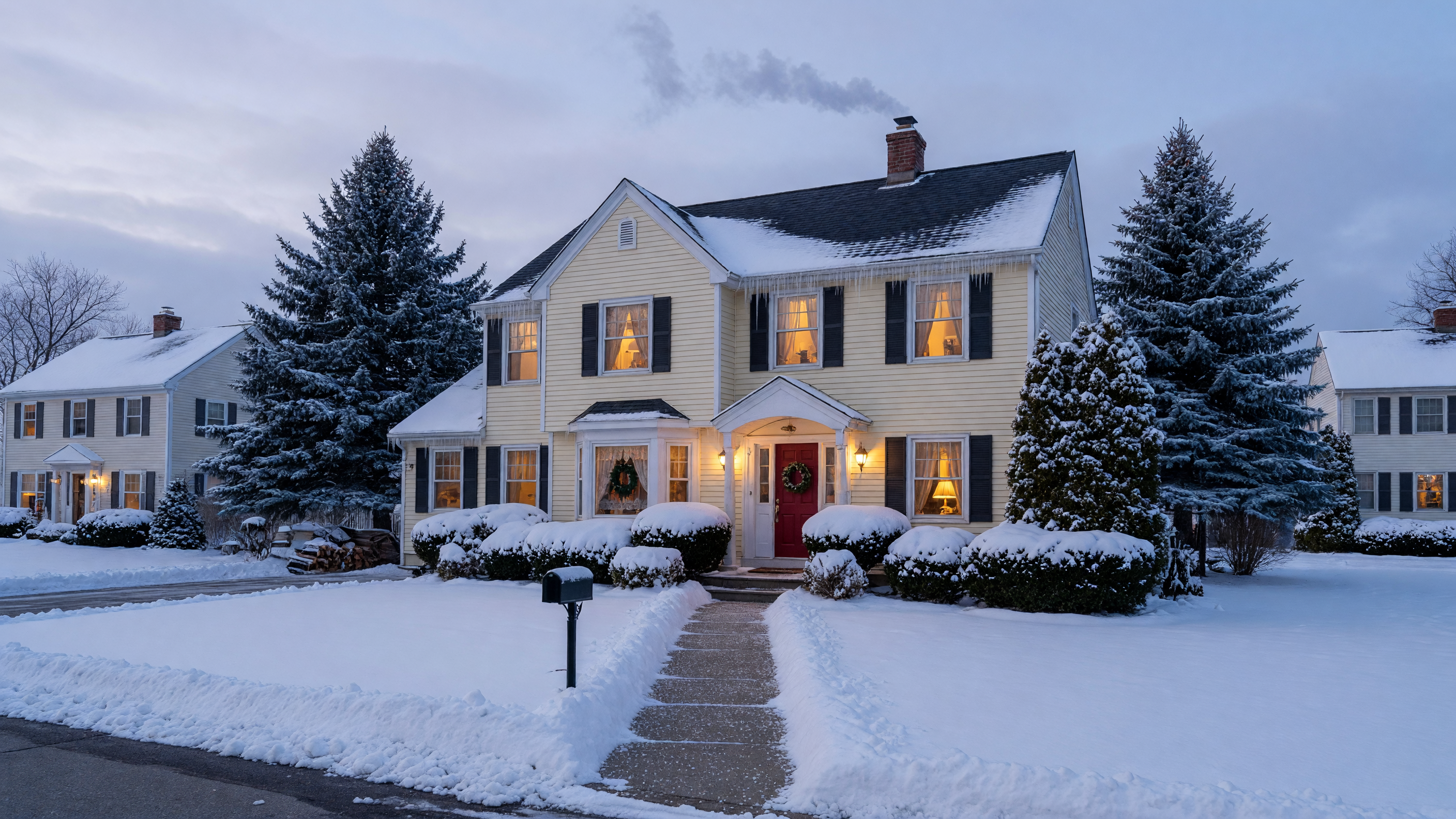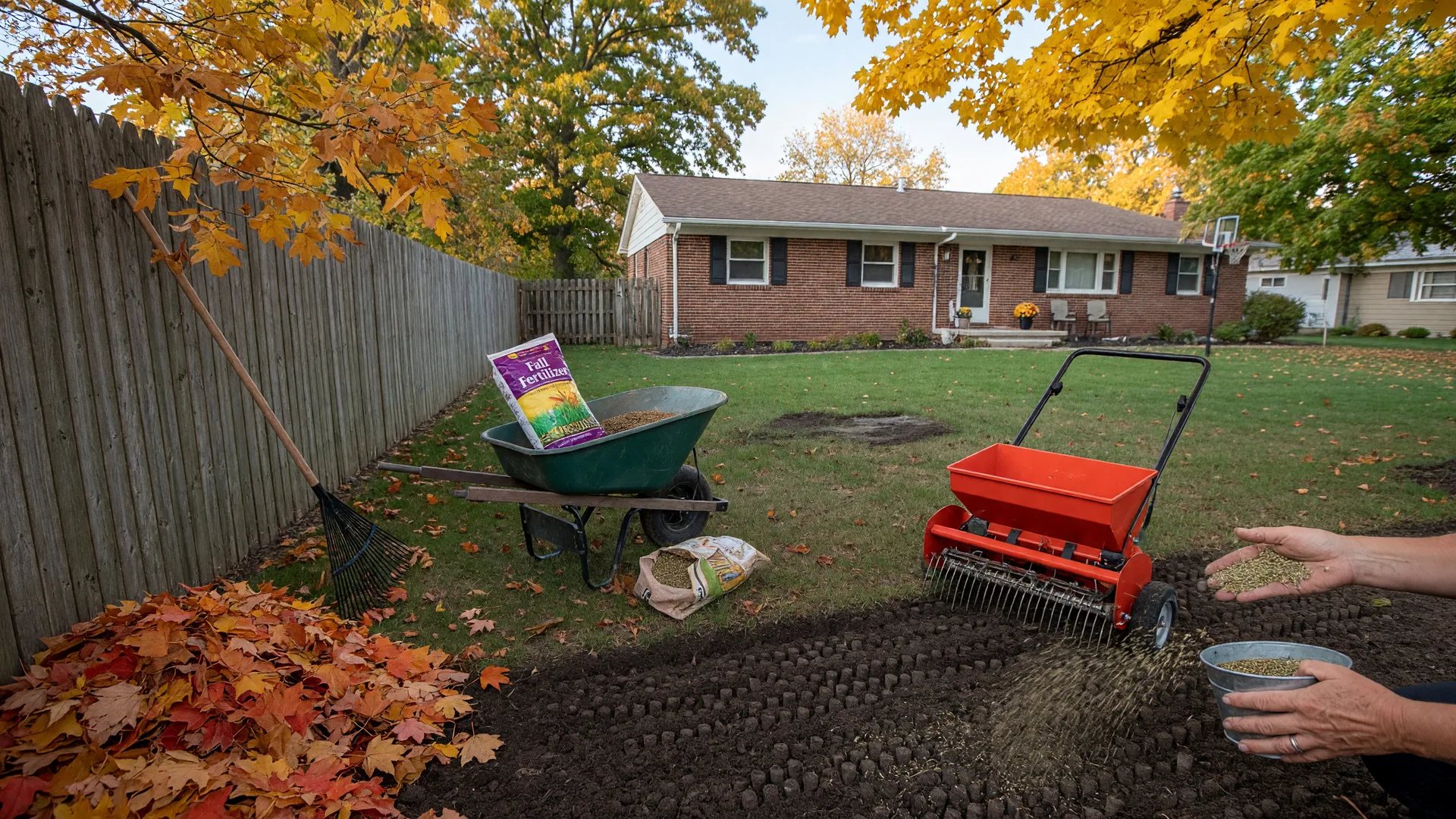
In Mid-Michigan, the shift from summer to fall is beautiful, but it is also the most important season for home maintenance. The work you do between late August and early October directly determines how well your home handles Michigan's winter weather. A few weekends of focused effort can prevent expensive repairs, lower your heating bills, and give you real peace of mind when the first snow arrives.
This checklist is designed for homeowners across Genesee, Oakland, Livingston, Lapeer, Shiawassee, Saginaw, and Tuscola counties. Michigan's climate demands attention to a specific set of home systems, and these tasks cover them all. For year-round maintenance guidance, you might also find our summer home maintenance checklist and winter home maintenance checklist helpful.
1. Clean Gutters and Downspouts
This is the single most important fall maintenance task for Michigan homes. When gutters are clogged with leaves and debris, rainwater has nowhere to go but over the edges, where it can pool around your foundation, seep into your basement, or freeze and form ice dams along your roofline.
What to do: Clean all gutters and downspouts thoroughly after the majority of leaves have fallen, typically in late October. Check that downspouts extend at least four feet away from your foundation and are not discharging water toward your neighbor's property. Consider installing gutter guards if you have heavy tree cover. These cost between $0.50 and $2.00 per linear foot for DIY versions, or professional installation runs $5 to $10 per linear foot. They pay for themselves over a few seasons if you live in a wooded neighborhood.
2. Schedule a Furnace Inspection
Your heating system has been idle since last spring. Before you need it daily, have a licensed HVAC professional inspect and service your furnace. A typical tune-up costs $80 to $150 and includes cleaning the burners, checking the heat exchanger for cracks, testing the thermostat, replacing the air filter, and verifying safety controls.
Why it matters: A neglected furnace is less efficient, which means higher gas bills all winter. More importantly, a cracked heat exchanger can leak carbon monoxide into your home. The National Fire Protection Association recommends annual furnace inspections, and many home warranty plans require them to keep coverage active.
Pro tip: September is the best month to schedule HVAC service in Mid-Michigan. Technicians are less busy than they will be in October and November, and you will have time to address any issues before the first hard freeze.
3. Seal Windows and Doors
Air leakage around windows and doors is one of the biggest sources of heat loss in Michigan homes. According to the U.S. Department of Energy, sealing air leaks can reduce heating costs by 10 to 20 percent.
What to do: Inspect the weatherstripping around all exterior doors. If you can see daylight or feel a draft, replace it. Self-adhesive foam weatherstripping costs $5 to $15 per roll at any hardware store and takes about 15 minutes per door. For windows, apply removable caulk or rope caulk around the sash if they are older single-pane units. For double-pane windows, check that the seals are intact (if you see fog between the panes, the seal has failed and the window may need replacement).
The door sweep check: The sweep at the bottom of your door is often the first thing to wear out. Replace it if there is a gap of more than one-eighth of an inch between the sweep and the threshold. A new sweep costs about $10 at a local hardware store in Grand Blanc, Fenton, or Brighton.
4. Winterize Outdoor Faucets and Irrigation
Frozen and burst pipes are one of the most common and expensive home emergencies in Michigan winters. The repair cost for a burst pipe typically ranges from $500 to $1,500, not counting water damage restoration. Preventing it is simple and cheap.
What to do: Disconnect all garden hoses before the first freeze (typically mid-to-late October in Mid-Michigan). Turn off the shut-off valve inside your home that supplies the outdoor spigot, then open the outdoor faucet to drain any remaining water. For homes with in-ground irrigation systems, have the system professionally blown out with compressed air before the ground freezes. This service typically costs $75 to $150 depending on the size of your system.
5. Inspect and Clean the Chimney
If you have a wood-burning fireplace, have the chimney inspected and cleaned by a certified chimney sweep before you light your first fire of the season. Creosote buildup is the leading cause of chimney fires, and a professional cleaning removes it completely.
Cost and frequency: A chimney cleaning and inspection typically runs $150 to $300. The Chimney Safety Institute of America recommends annual inspections for all fireplaces, regardless of how often you use them. For gas fireplaces, the inspection is simpler but still important: a professional will check the gas line, burner, and venting system.
6. Exterior Checks and Fall Landscaping
Michigan fall weather is hard on a home's exterior. Walk your property and look for cracked or missing roof shingles, damaged siding, gaps where pests could enter, and areas where water could pool near the foundation.
Landscaping tasks: Trim tree branches that overhang your roof or could fall on your home during a winter storm. Remove dead or diseased trees. Rake leaves away from the foundation regularly throughout the fall (wet leaves against siding can cause rot). Drain and store garden hoses. Bring in or cover outdoor furniture, grills, and potted plants before the first freeze. For more curb appeal ideas for the season, see our late summer curb appeal guide.
7. Test Smoke and Carbon Monoxide Detectors
With furnaces and fireplaces running more frequently, fall is the right time to test every smoke and carbon monoxide detector in your home. Replace batteries if they are more than six months old, and replace any detector that is more than 10 years old. Michigan law requires carbon monoxide detectors on every level of a home and within 15 feet of each sleeping room.
Your Printable Fall Home Prep Timeline
Late August to mid-September: Schedule furnace inspection and chimney cleaning. Inspect roof and siding. Trim trees. Test detectors.
Late September to mid-October: Clean gutters after most leaves have fallen. Winterize outdoor faucets and irrigation. Seal windows and doors. Stock winter emergency supplies (shovel, ice melt, emergency kit).
Late October to mid-November: Final leaf cleanup. Drain and store garden hoses. Bring in outdoor furniture. Install storm windows and doors if you have them.
As a REALTOR who has walked through hundreds of Mid-Michigan homes at every stage of the seasons, I can tell you that the homes that show best and sell fastest are almost always the ones where the owners have kept up with seasonal maintenance. A well-maintained home not only protects your investment, it tells potential buyers that the property has been cared for. If you are considering selling your home in the next year, investing a weekend in these fall prep tasks now will pay dividends when it comes time to list.

Joyce England, REALTOR\u00ae
Keller Williams First · Mid-Michigan
Joyce has helped hundreds of Mid-Michigan homeowners prepare their properties for sale and for every season. With more than 20 years of real estate experience across seven counties, she knows exactly what it takes to protect and present a home at its best.